India's education sector stands at a crossroads. With the introduction of sweeping reforms aimed at modernizing the system, many are questioning whether these changes can finally elevate the country's scientific research to global standards. While the intentions are promising, the path from policy to practice remains fraught with challenges that have historically held Indian science back.
The Promise of Recent Education Reforms
Recent education reforms in India have emphasized flexibility, interdisciplinary learning, and research orientation from undergraduate levels. The shift away from rigid specialization toward broader knowledge bases represents a philosophical change in how the country approaches higher education. These reforms aim to create critical thinkers rather than rote learners, a change long overdue in a system often criticized for emphasizing memorization over innovation.
The policy framework also proposes increased autonomy for higher education institutions, potentially allowing universities to design curricula responsive to emerging scientific fields. This flexibility could enable faster adaptation to research trends in areas like artificial intelligence, climate science, and biotechnology.
The Funding Conundrum
However, policy vision means little without adequate financial backing. India's gross expenditure on research and development hovers around 0.7 percent of GDP, significantly lower than scientific powerhouses like the United States, China, or even South Korea. This funding gap translates directly into inadequate laboratory infrastructure, outdated equipment, and limited resources for ambitious research projects.
Scientific research requires sustained investment over years, sometimes decades, before yielding results. The current funding model, heavily reliant on government grants that fluctuate with budget priorities, creates uncertainty that discourages long-term research programs. Private sector participation in basic research remains minimal, focused instead on applied development with immediate commercial applications.
Infrastructure and Institutional Challenges
Beyond funding, Indian research institutions face infrastructural bottlenecks. Many university laboratories operate with equipment that would be considered obsolete in international research settings. Access to high-quality research materials, specialized chemicals, and advanced computing resources remains inconsistent across institutions.
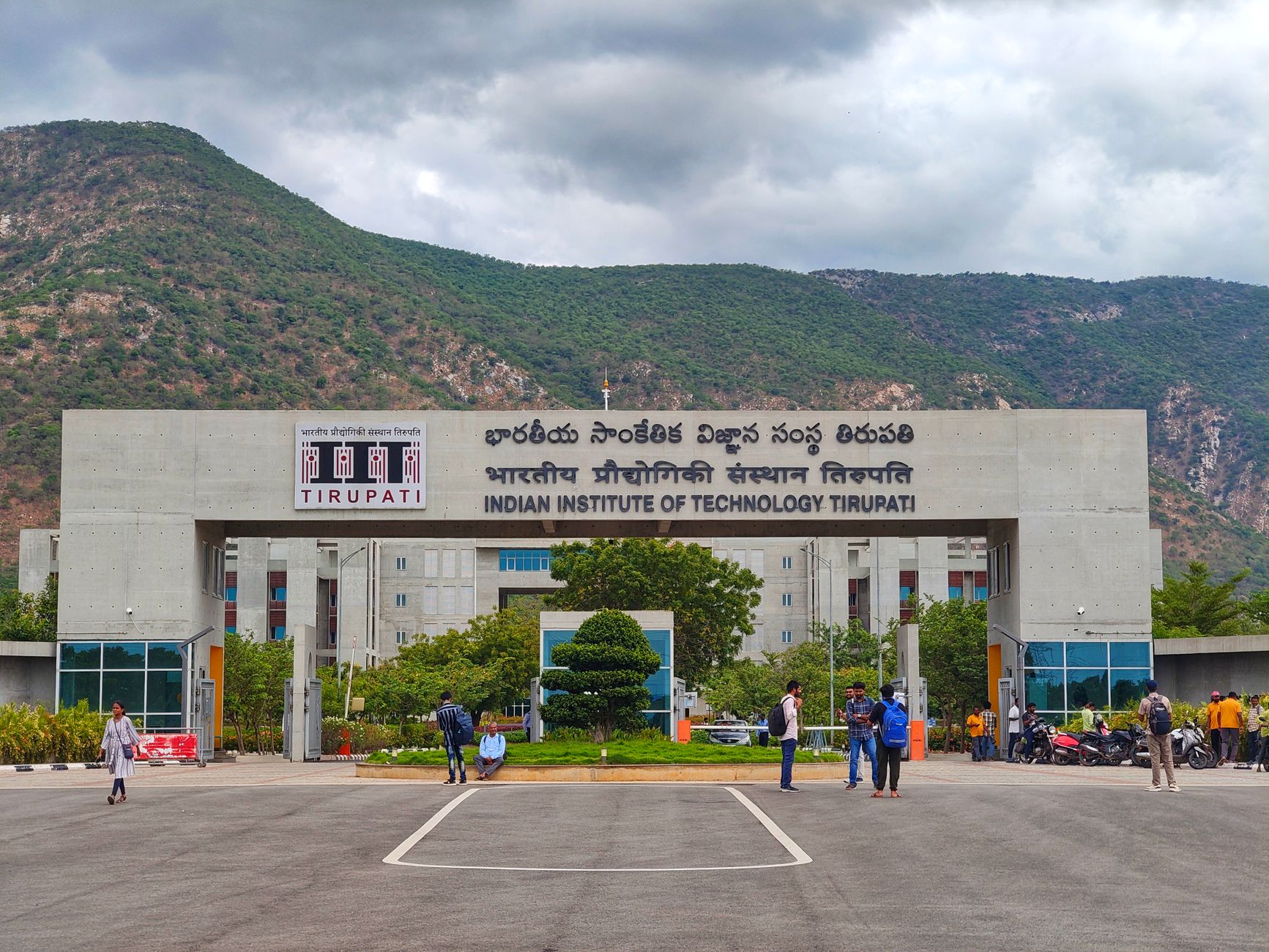
The concentration of research capabilities in elite institutions creates a two-tier system. While institutes like the Indian Institutes of Technology and Indian Institute of Science maintain reasonable standards, hundreds of universities and colleges lack basic research infrastructure. This disparity means talented students outside premier institutions have limited opportunities to engage in meaningful research during their formative academic years.
The Brain Drain Dilemma
India continues to lose some of its brightest scientific minds to foreign institutions offering better research environments, higher compensation, and greater academic freedom. This brain drain represents not just a loss of talent but also of the investment made in educating these individuals.
The academic culture in many Indian institutions prioritizes teaching loads and administrative duties over research, leaving faculty with little time for their own scientific work. Publication pressure exists, but the emphasis on quantity over quality has led to concerns about research integrity and meaningful contribution to global scientific knowledge.
Administrative and Cultural Roadblocks
Bureaucratic processes can stifle research momentum. Procurement procedures for equipment and materials often involve lengthy approvals, delaying experiments and projects. International collaborations, crucial for cutting-edge research, face administrative hurdles that discourage foreign partnerships.
The hierarchical nature of many research institutions can also inhibit the questioning and creative thinking essential to scientific discovery. Young researchers may hesitate to challenge established ideas or pursue unconventional research paths, limiting innovation.
Creating a Research Ecosystem
For education reforms to meaningfully impact scientific research, they must be accompanied by systemic changes beyond curriculum design. This includes:
- Significant increases in research funding with multi-year commitments
- Streamlined administrative processes for research procurement and collaboration
- Incentive structures that reward quality research over publication volume
- Better industry-academia linkages to translate research into applications
- Improved compensation and career paths to retain scientific talent
- Regional research hubs to distribute capabilities beyond elite institutions
The Path Forward
Education reforms provide a foundation, but transforming Indian scientific research requires sustained commitment across government, institutions, and industry. Countries like China and South Korea demonstrate that rapid improvement is possible with coordinated policy, investment, and cultural change around research.
The current wave of reforms presents an opportunity, but only if matched with resources and institutional will. India's scientific community has demonstrated capability when given proper support, from space exploration to pharmaceutical development. The question is whether the country will make the comprehensive changes needed to unleash this potential systematically.
As these reforms unfold, their true measure will be whether they create an environment where curiosity-driven research thrives, where young scientists choose to stay and build careers, and where Indian research contributes meaningfully to solving both national and global challenges.