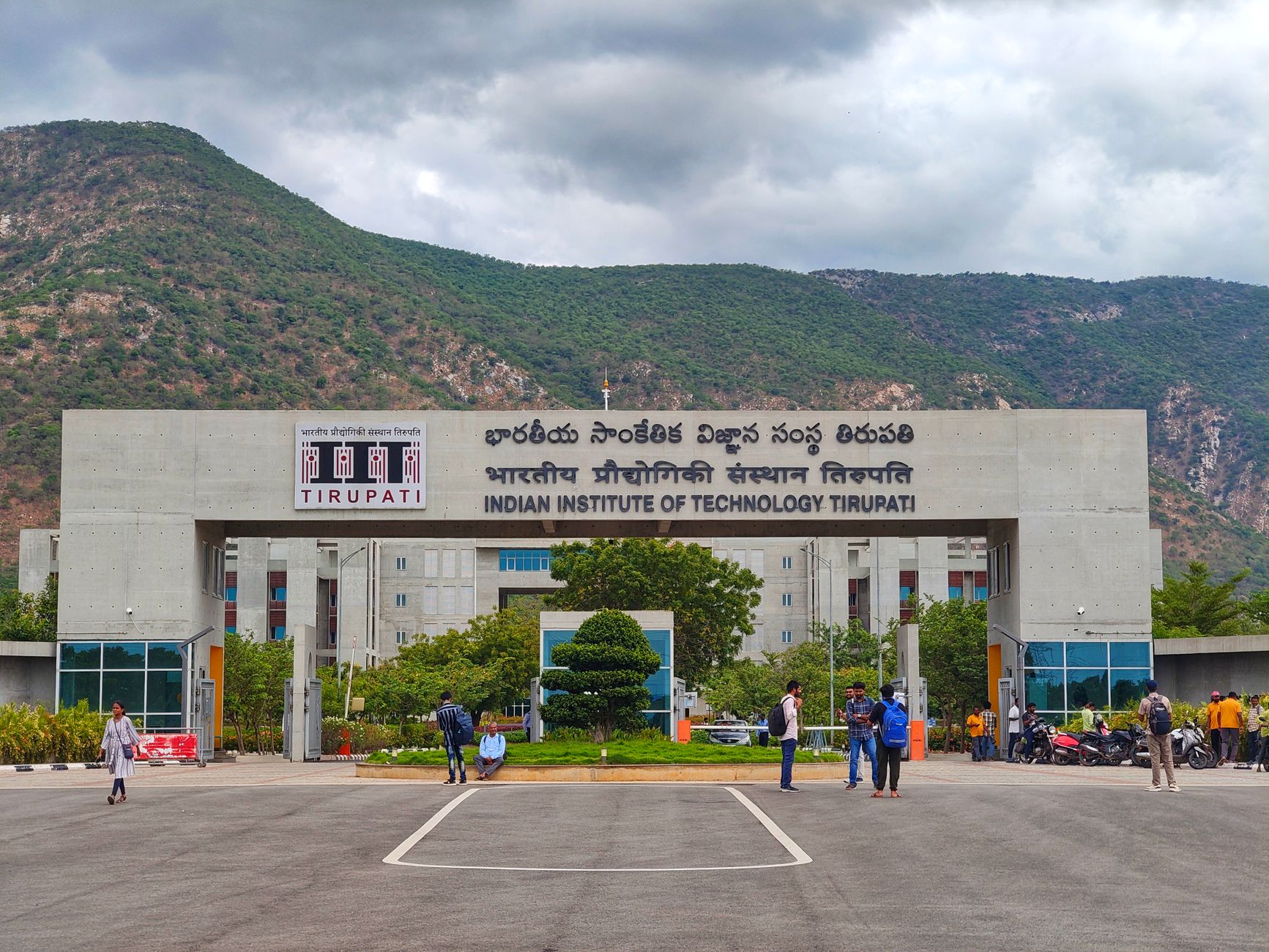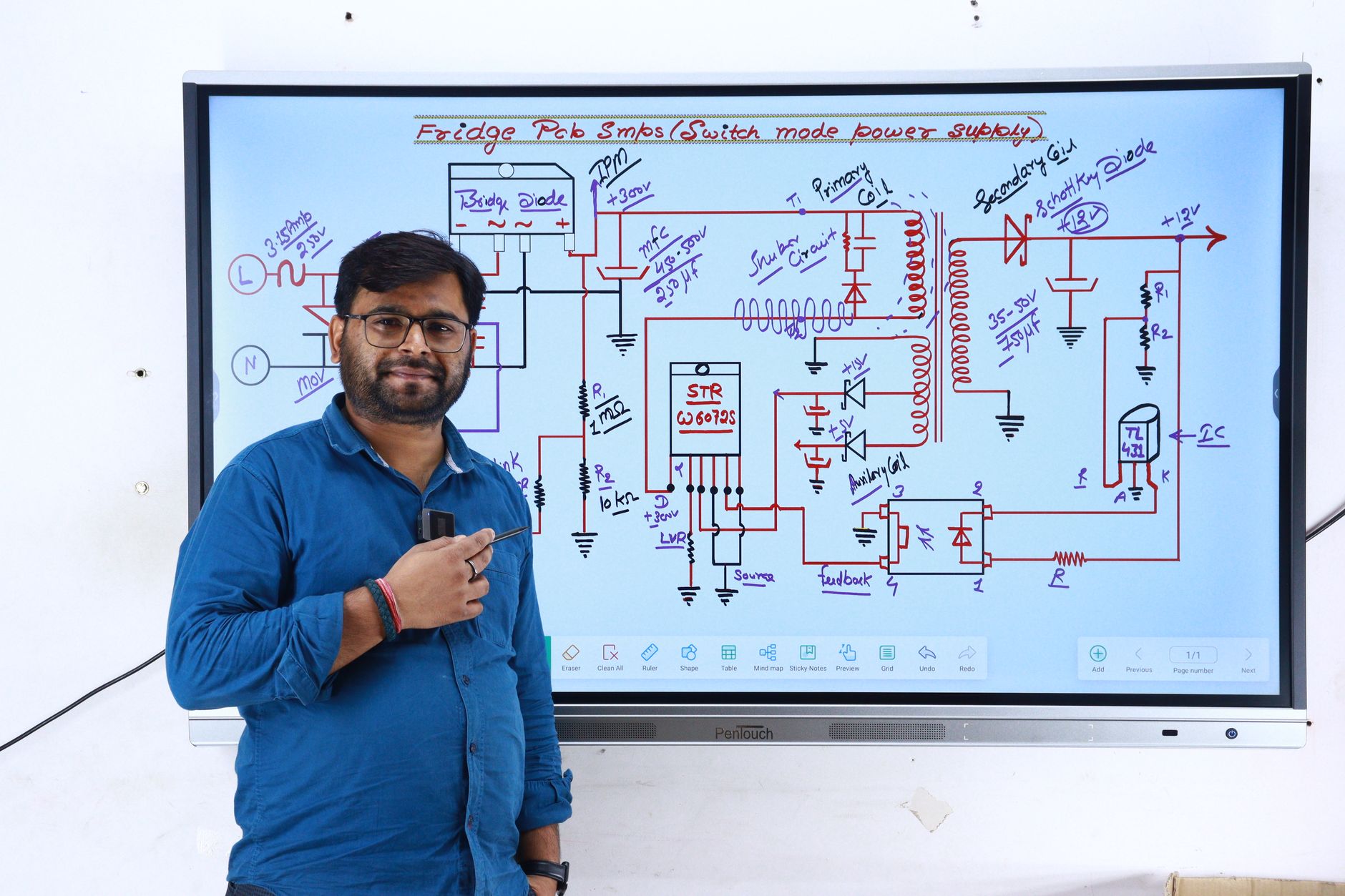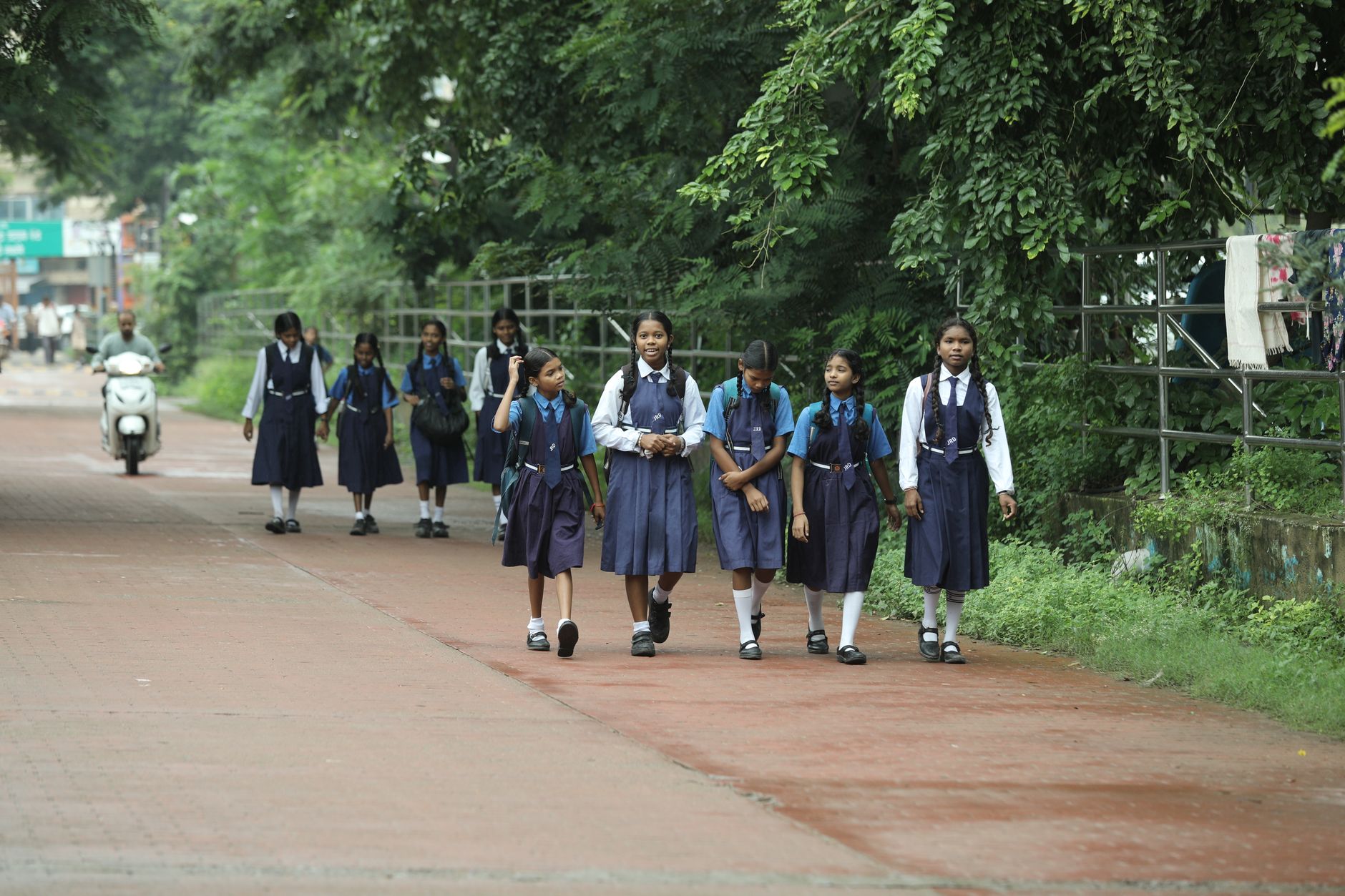
India stands at a demographic crossroads. With over 65 percent of its population under 35 years of age, the country possesses one of the world's largest working-age populations. Yet this demographic dividend risks becoming a demographic disaster if the education-employment gap continues to widen. As India marches toward its Viksit Bharat vision of becoming a developed nation by 2047, reimagining the skilling ecosystem has emerged as a national priority.
The Current Disconnect
The paradox of Indian employment is stark—millions of young graduates struggle to find work while industries report difficulty filling positions. According to various industry reports, nearly 50 percent of Indian graduates are considered unemployable in their chosen fields. This mismatch stems from an education system that prioritizes theoretical knowledge over practical, job-ready skills.
Traditional university curricula often lag behind industry requirements by several years. By the time educational institutions update their programs, technological advancement and market demands have already moved forward. This creates a perpetual cycle where fresh graduates require extensive on-the-job training, increasing costs for employers and delaying productive contribution.
Multiple Dimensions of the Gap
The education-employment divide manifests across several dimensions. First is the skills gap, where graduates lack technical proficiencies demanded by modern workplaces, particularly in areas like digital literacy, data analysis, and emerging technologies. Second is the aspirational gap—many educated youth seek white-collar positions while vast opportunities exist in skilled trades and vocational sectors that suffer from social stigma.
Geographic disparities compound these challenges. While metropolitan areas offer greater exposure to industry trends and internship opportunities, students in tier-2 and tier-3 cities often graduate with outdated knowledge and limited practical experience. Additionally, the soft skills gap—encompassing communication, problem-solving, teamwork, and adaptability—remains a significant concern for employers across sectors.
Government Initiatives and Their Impact
Recognizing these challenges, the government has launched several initiatives to revamp India's skilling landscape. The Skill India Mission, National Skill Development Corporation, and Pradhan Mantri Kaushal Vikas Yojana represent systematic efforts to provide industry-relevant training to millions of youth. These programs focus on both formal education enhancement and vocational training in sectors with high employment potential.
The New Education Policy 2020 marks a philosophical shift toward holistic, multidisciplinary learning with greater emphasis on vocational education from secondary level onward. By integrating skill development into mainstream education and promoting internships and apprenticeships, NEP 2020 aims to make students industry-ready upon graduation.
Industry-Academia Collaboration
Successful bridging of the education-employment gap requires active collaboration between educational institutions and industry partners. Progressive companies have begun partnering with universities to design curricula, offer guest lectures, provide internships, and even establish centers of excellence on campuses. Such partnerships ensure that students gain exposure to real-world challenges and current industry practices.
Apprenticeship models, common in countries like Germany and Switzerland, deserve greater adoption in India. These programs allow students to earn while they learn, combining classroom instruction with hands-on work experience. For industries facing skilled labor shortages—manufacturing, healthcare, logistics, and hospitality—apprenticeships offer a direct pipeline of trained workers.
The Digital Transformation Opportunity
Technology presents unprecedented opportunities to democratize skill development. Online learning platforms, virtual labs, and simulation tools can bring quality education to remote corners of India at minimal cost. Artificial intelligence and machine learning can personalize learning paths based on individual aptitudes and career goals.
The pandemic accelerated digital adoption in education, demonstrating that large-scale online skilling is feasible. Going forward, blended learning models that combine online theoretical instruction with in-person practical training could offer scalable solutions to India's vast skilling needs.
Changing Mindsets and Social Perceptions
Beyond policy and infrastructure, achieving Viksit Bharat requires a cultural shift in how society views education and employment. Vocational careers must be accorded respect equal to professional degrees. Parents, educators, and students need exposure to diverse career paths beyond traditional medicine, engineering, and civil services.
Success stories of skilled workers—electricians, plumbers, beauticians, chefs—earning substantial incomes must be highlighted to challenge prevailing biases. Educational counseling should begin early, helping students identify their strengths and align them with realistic career opportunities rather than pursuing degrees with limited employment prospects.
The Road Ahead
Transforming India's skilling ecosystem is not merely about employment—it underpins economic growth, social mobility, and national competitiveness. A workforce equipped with relevant, adaptable skills can drive innovation, attract investment, and position India as a global talent hub.
Achieving this vision requires sustained commitment from government, industry, educational institutions, and society. Continuous curriculum updating, industry partnerships, digital infrastructure expansion, and mindset transformation must proceed in parallel. Only then can India truly convert its demographic advantage into the engine that powers Viksit Bharat.