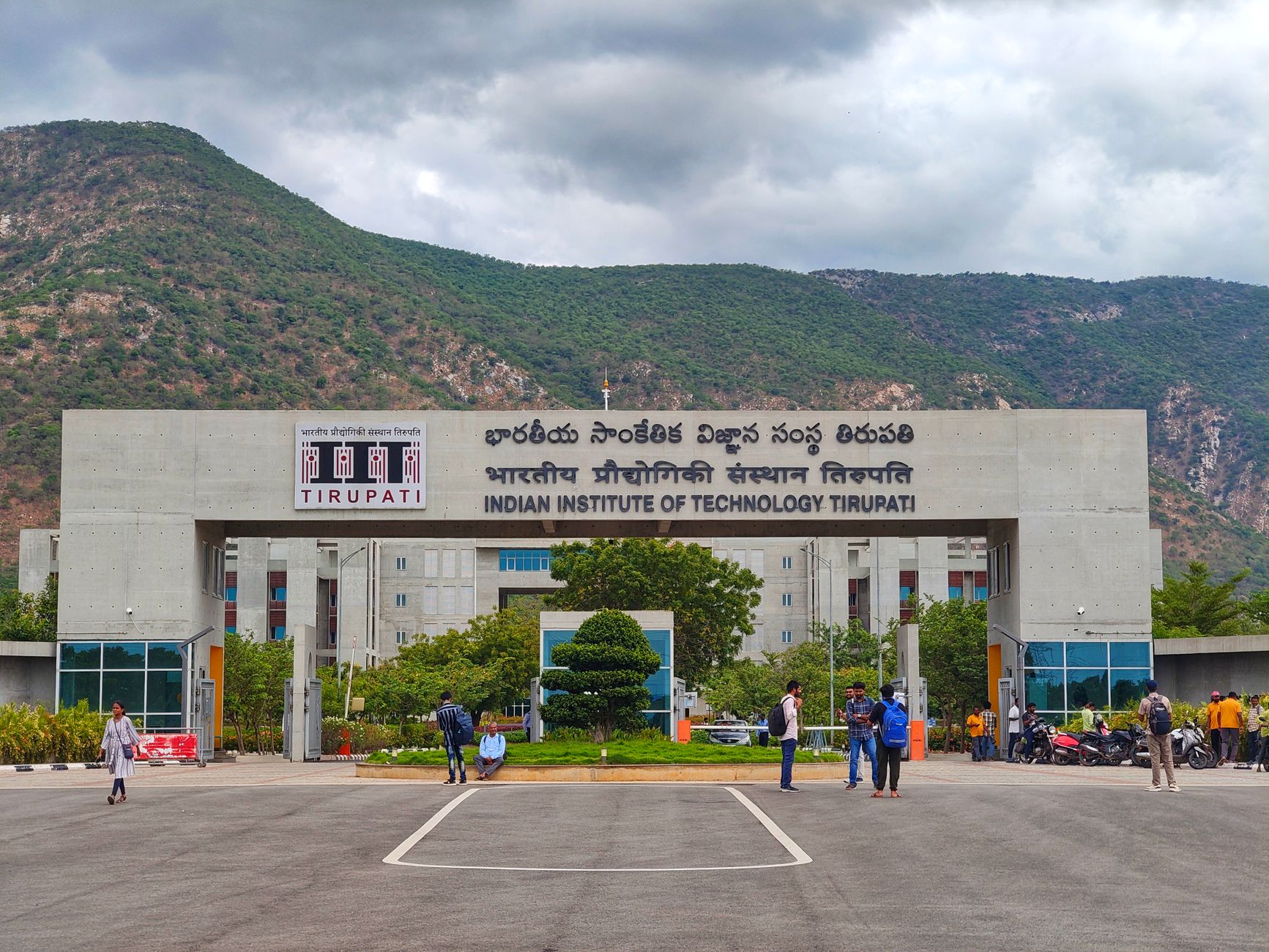
The recent gathering of BRICS education ministers in Bhubaneswar has brought renewed focus to a fundamental truth about 21st-century learning: educational challenges transcend national boundaries. With representatives from Brazil, Russia, India, China, and South Africa—along with newer BRICS members—convening to discuss shared concerns, the message is clear that no single nation can effectively address the complex educational landscape alone.
The Interconnected Nature of Modern Education
Today's educational systems face unprecedented challenges that are remarkably similar across different countries and continents. The digital divide, climate change education, skill development for emerging technologies, and ensuring equitable access to quality learning are issues that affect both developing and developed nations alike.
The COVID-19 pandemic served as a stark reminder of these interconnections. When schools closed worldwide, countries scrambled to implement remote learning solutions. Nations that had invested in digital infrastructure and teacher training adapted more quickly, while others struggled. This experience highlighted how shared knowledge and collaborative frameworks could help all countries better prepare for future disruptions.
Why BRICS Nations Need Educational Partnership
The BRICS countries collectively represent over 40 percent of the world's population and include some of the fastest-growing economies. However, they also share common educational challenges including massive populations requiring education, varying levels of infrastructure development, and the need to balance traditional learning with technology integration.
These nations can benefit significantly from pooling resources and expertise. When Brazil develops innovative approaches to adult literacy, or when India creates scalable models for digital education in rural areas, these solutions can be adapted and implemented across other BRICS countries facing similar contexts.
Key Areas for International Collaboration
Several critical areas demand cross-border cooperation:
- Technology integration in classrooms and teacher training for digital pedagogy
- Curriculum development that addresses artificial intelligence, climate literacy, and sustainable development
- Quality assurance mechanisms and mutual recognition of qualifications
- Research collaboration in educational psychology and learning sciences
- Student and faculty exchange programs that build cultural understanding
- Sharing best practices in vocational education and skill development
The Benefits of Educational Diplomacy
When education ministers from different countries meet, they create frameworks for ongoing collaboration that extend far beyond government-to-government relationships. These partnerships often lead to university tie-ups, joint research initiatives, and student mobility programs that enrich the educational experience for millions of young people.
Educational cooperation also serves as a soft power tool, building lasting relationships between nations. Students who study abroad often become ambassadors for cultural understanding and create professional networks that facilitate future collaboration in business, science, and technology.
Challenges in International Educational Cooperation
Despite the obvious benefits, collaborative efforts face several obstacles. Different educational systems, varying quality standards, language barriers, and divergent policy priorities can complicate joint initiatives. Additionally, concerns about data privacy, intellectual property rights, and maintaining cultural identity in education require careful navigation.
Resource disparities between nations can also create imbalances in partnership dynamics. Ensuring that collaboration is truly mutual and beneficial to all parties, rather than one-sided, requires intentional framework design and regular evaluation.
Moving Toward Actionable Outcomes
For international educational cooperation to succeed, it must move beyond diplomatic statements to concrete action. This includes establishing joint scholarship programs, creating shared digital learning platforms, developing common frameworks for skill certification, and facilitating researcher mobility.
The BRICS nations have already initiated several such programs, including the BRICS Network University, which enables student and faculty exchange across member countries in priority areas like energy, computer science, and economics. Expanding such initiatives to cover more disciplines and increasing accessibility for students from diverse socioeconomic backgrounds can amplify impact.
The Role of Technology in Bridging Borders
Digital platforms offer unprecedented opportunities for international educational collaboration. Virtual classrooms can connect students across continents, massive open online courses can democratize access to quality content, and collaborative research platforms can enable scientists from different countries to work together seamlessly.
However, leveraging technology effectively requires investment in infrastructure, ensuring reliable internet connectivity, and training educators to facilitate online and hybrid learning experiences.
Looking Ahead
As the global economy becomes increasingly interconnected and challenges like climate change demand coordinated responses, the education sector must prepare young people for a world where international collaboration is the norm rather than the exception. By working together, nations can create more resilient, innovative, and inclusive educational systems that serve their populations better while contributing to global progress.
The acknowledgment that no country can tackle education challenges alone is not a statement of weakness but rather a recognition of the complex, interconnected nature of modern learning and the power of collective action.