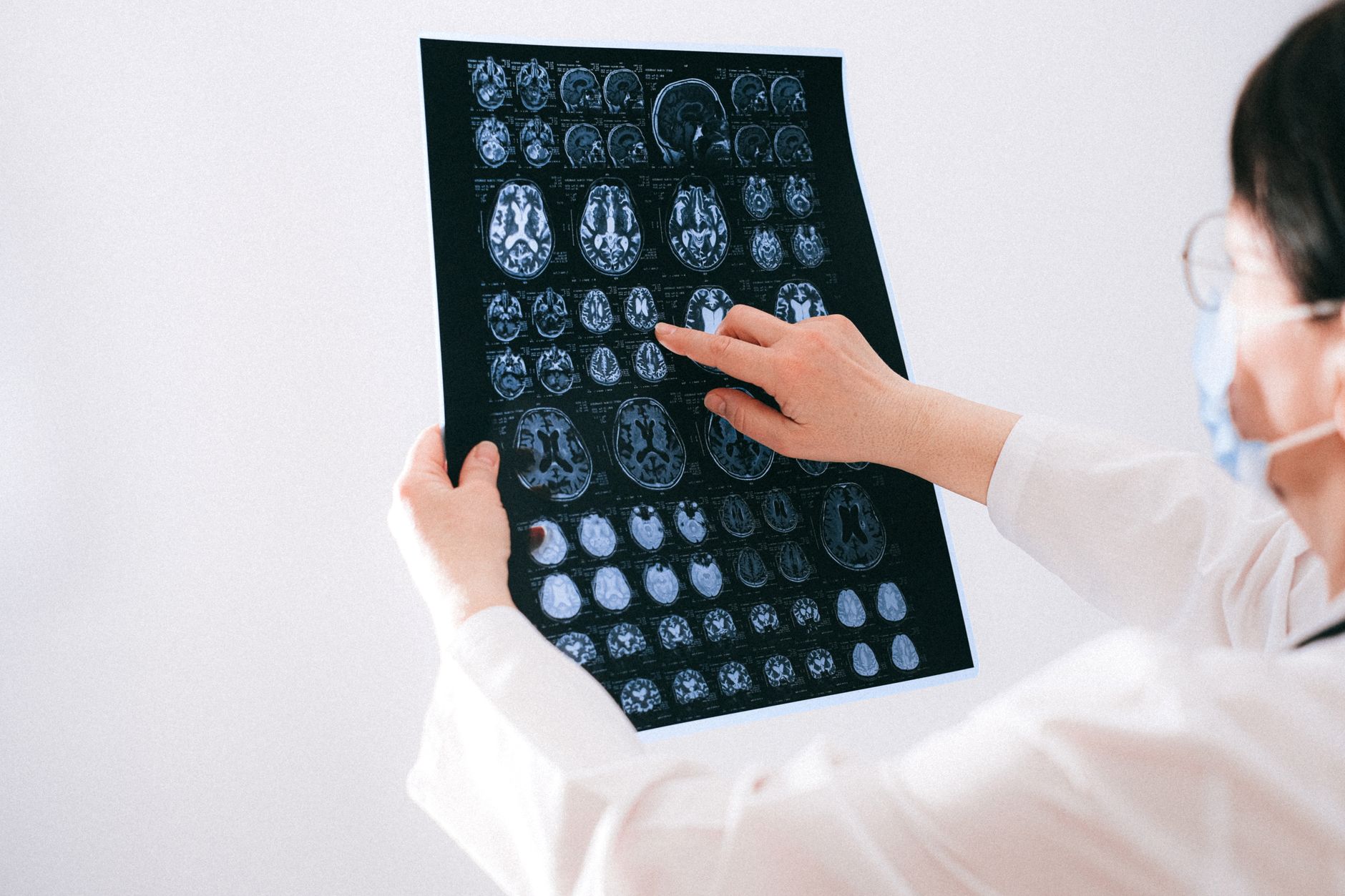
India is confronting a dual health challenge that demands urgent attention: a rising incidence of brain and nervous system disorders coupled with a severe shortage of neurologists to treat them. This widening gap between patient needs and medical resources has emerged as a critical concern for the healthcare system.
The Growing Burden of Neurological Disorders
Neurological conditions encompass a wide range of ailments affecting the brain, spinal cord, and nervous system. These include stroke, epilepsy, Parkinson's disease, Alzheimer's and other dementias, migraine, multiple sclerosis, and various neurodevelopmental disorders. Recent data suggests that neurological disorders now account for a significant portion of the disease burden in India, affecting people across all age groups.
Several factors contribute to this rise. An aging population means more cases of age-related conditions like dementia and Parkinson's disease. Lifestyle changes, including increased stress, poor diet, and sedentary habits, elevate risks for stroke and other vascular brain disorders. Meanwhile, improved diagnostic capabilities mean that conditions previously undiagnosed are now being identified, though this also highlights how many cases may have gone untreated in the past.
Road traffic accidents, a leading cause of traumatic brain injuries in India, add another dimension to the problem. Urban pollution and environmental factors may also play roles that researchers are still working to fully understand.
The Neurologist Shortage Crisis
Against this backdrop of rising disease burden, India faces a stark shortage of neurologists. The country has approximately one neurologist for every million people, far below the ratio needed to provide adequate care. By contrast, developed nations typically have ten to fifteen times that density of specialists.
This shortage is particularly acute in rural areas and smaller cities. Most neurologists practice in major metropolitan centers, leaving vast swathes of the country underserved. Patients in rural areas often must travel hundreds of kilometers to see a specialist, if they can access one at all. The cost and logistical challenges of such travel put timely treatment out of reach for many.
Consequences for Patients and Healthcare System
The shortage has tangible consequences. Patients with acute conditions like stroke, where every minute counts, may not receive the specialized care they need within critical time windows. Those with chronic conditions like epilepsy or Parkinson's disease face long waiting times for consultations and follow-up appointments, potentially leading to poor disease management and reduced quality of life.
General physicians and doctors in other specialties must often manage neurological cases without specialized training, which can result in delayed diagnosis, inappropriate treatment, or missed opportunities for intervention. The burden on existing neurologists becomes overwhelming, leading to burnout and further exacerbating the shortage.
Why the Gap Persists
Several factors explain the persistent shortage. Neurology training requires lengthy specialization after medical school, and India produces relatively few neurology postgraduate seats compared to demand. Many trained neurologists migrate abroad seeking better opportunities and working conditions. The field requires expensive diagnostic equipment and infrastructure that many hospitals, especially in tier-two and tier-three cities, lack.
Additionally, neurology is not always viewed as an attractive specialty compared to more lucrative fields, and the emotional and intellectual demands of the work can be taxing.
Potential Solutions and Way Forward
Addressing this crisis requires a multi-pronged approach. Increasing postgraduate training seats in neurology across medical colleges would expand the pipeline of specialists. Incentivizing neurologists to practice in underserved areas through better compensation and infrastructure could improve distribution.
Telemedicine offers promising possibilities, allowing remote consultations and follow-ups, and enabling general physicians in rural areas to seek specialist guidance. Training more general practitioners in basic neurological assessment and management can improve first-line care.
Public health initiatives focused on prevention—promoting healthier lifestyles, road safety, and awareness about stroke warning signs—can help reduce the disease burden itself. Strengthening neurology departments in district hospitals and improving diagnostic capabilities beyond metro cities would make specialized care more accessible.
The convergence of rising neurological disorders and insufficient specialist care represents a significant challenge for India's healthcare system. Without concerted action from policymakers, medical institutions, and healthcare providers, this gap will only widen, affecting millions who need specialized neurological care.
This article is for general information only and does not constitute medical advice. Anyone experiencing symptoms of neurological conditions should consult qualified healthcare professionals for proper diagnosis and treatment.