India's public education system is facing an unprecedented challenge, with reports indicating that approximately 94,000 government schools have been shut down in recent years. This massive closure wave has sparked a national debate about the state's commitment to providing free and compulsory education as guaranteed under the Constitution.
The Scale of School Closures
The closure of nearly one lakh government schools represents a significant shift in India's educational landscape. These shutdowns have occurred primarily in rural and semi-urban areas, affecting millions of children who depend on government schools for their basic education. The closures span across multiple states, with some regions experiencing more severe impacts than others.
State governments have cited various reasons for these closures, including low student enrollment, lack of teachers, dilapidated infrastructure, and financial constraints. However, education activists argue that closing schools rather than strengthening them undermines the fundamental right to education.
Constitutional Guarantees at Stake
Article 21A of the Indian Constitution, inserted through the 86th Amendment in 2002, makes free and compulsory education a fundamental right for children aged six to fourteen years. The Right to Education Act, 2009, further operationalized this constitutional mandate by setting standards for schools and ensuring accessibility.
The widespread closure of government schools raises serious questions about how the state is fulfilling these constitutional obligations. When schools close, children in remote areas often have to travel longer distances to attend the nearest alternative school, or worse, drop out entirely from the education system.
Why Are Schools Being Closed?
Several factors have contributed to this trend:
- Declining enrollment due to rural-urban migration and falling birth rates in certain regions
- Merger and consolidation policies aimed at creating larger, better-resourced schools
- Teacher shortages and difficulty in posting educators to remote locations
- Poor infrastructure and lack of basic facilities making schools non-functional
- Shift in parental preference toward private schools, even among economically weaker sections
The Rural-Urban Divide
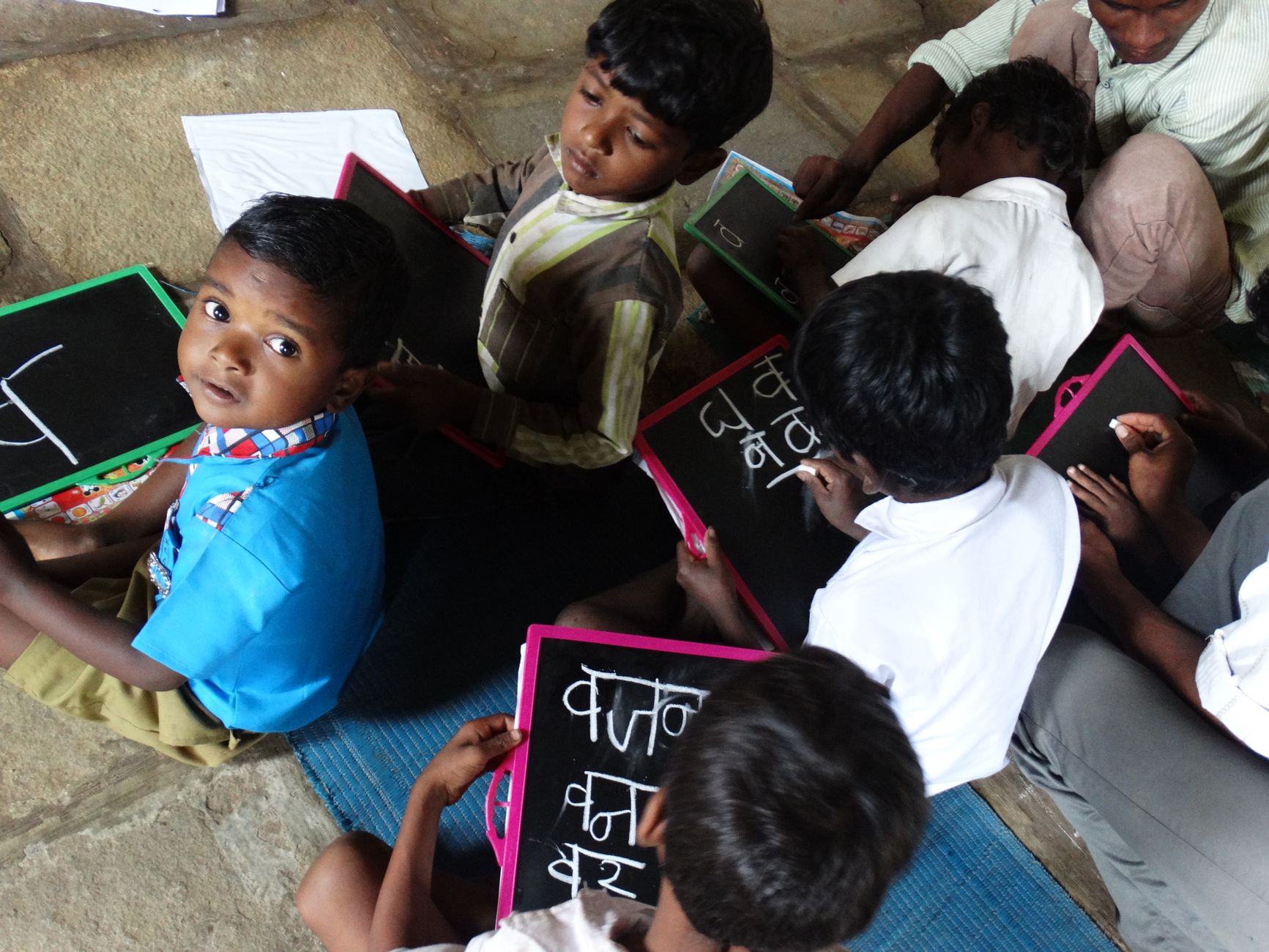
The impact of school closures is felt most acutely in rural India, where government schools serve as the primary, and often only, educational institution. Unlike urban areas where private schools provide alternatives, rural communities depend heavily on government schools.
When a village school closes, young children may need to walk several kilometers daily to reach the next nearest school. This increased distance becomes a significant barrier, particularly for girls, whose parents may be reluctant to send them far from home due to safety concerns. The result is increased dropout rates and reduced educational opportunities for the most vulnerable populations.
Impact on Educational Access and Equity
The closure of government schools disproportionately affects children from marginalized communities, including Scheduled Castes, Scheduled Tribes, and economically weaker sections. These groups rely almost exclusively on government schools and lack the resources to access private education.
Furthermore, the closure trend contradicts India's goals of universal education and conflicts with the National Education Policy 2020, which emphasizes improving access and infrastructure in government schools rather than reducing them.
The Way Forward
Addressing this crisis requires a multi-pronged approach:
- Investing in infrastructure upgrades and providing basic facilities like toilets, drinking water, and electricity
- Recruiting and posting adequate numbers of trained teachers, especially in rural areas
- Implementing technology-enabled learning to make small schools viable
- Strengthening mid-day meal programs and other incentives that encourage attendance
- Regular monitoring and community participation in school management
- Reconsidering merger policies that prioritize administrative convenience over educational access
Civil Society and Judicial Response
Education activists and civil society organizations have been challenging school closures through legal means and public advocacy. Several petitions have been filed in various High Courts questioning the constitutional validity of closing schools without providing adequate alternatives.
The judiciary has, in some cases, intervened to stay closures or direct governments to ensure that children's educational rights are not compromised. However, a comprehensive policy response is needed rather than case-by-case judicial intervention.
Conclusion
The closure of 94,000 government schools represents more than just statistics—it signifies a retreat from the constitutional promise of universal education. As India aspires to become a global knowledge economy, ensuring that every child has access to quality education close to home remains fundamental. The challenge lies in strengthening existing government schools rather than shutting them down, thereby honoring both the letter and spirit of constitutional education guarantees.