The dramatic slowdown in Indian students pursuing overseas education has caught many by surprise. After decades of consistent growth that saw India become the second-largest source of international students globally, the recent 31% decline marks a significant reversal in this trend.
The Numbers Tell a Stark Story
For years, Indian families viewed foreign degrees as golden tickets to global careers and better opportunities. The number of students leaving India's shores grew consistently through the 2010s, peaking around 2019-2020. Countries like the United States, United Kingdom, Canada, and Australia built their international education strategies around attracting Indian students, who contributed billions in tuition fees and living expenses.
The sudden drop represents hundreds of thousands of students who might have gone abroad in previous years but chose to stay home instead. This shift has implications not just for Indian families but for universities worldwide that have come to depend on Indian enrollment.
Rising Costs and Economic Pressures
The primary factor dampening study-abroad enthusiasm is straightforward: money. The cost of overseas education has skyrocketed in recent years due to several converging factors.
Currency fluctuations have made foreign education significantly more expensive for Indian families. The weakening of the rupee against major currencies like the US dollar, British pound, and Australian dollar means families now need considerably more rupees to cover the same tuition and living expenses than they did just a few years ago.
Tuition fees themselves have also increased steadily at universities in popular destinations. What once cost 20-30 lakhs for a two-year master's program now often exceeds 40-50 lakhs, placing it beyond the reach of middle-class families who traditionally fueled the study-abroad boom.
The COVID-19 pandemic also depleted many family savings, making large education investments harder to justify or afford. Job uncertainties and business disruptions have made families more conservative with major financial commitments.
Tightening Immigration and Visa Policies
Political and policy changes in popular destination countries have also contributed to the decline. Several nations have tightened post-study work visa rules, reduced the duration of work permits, or made it harder for international students to transition to permanent residency.
When students and families invest lakhs of rupees in foreign education, they typically factor in the ability to work abroad for several years afterward to recoup costs and gain international experience. When countries make this pathway more uncertain, the return on investment calculation changes dramatically.
Immigration rhetoric in some Western nations has also created an unwelcoming atmosphere that makes families question whether their children will face discrimination or limited opportunities even with foreign degrees.
India's Higher Education Renaissance
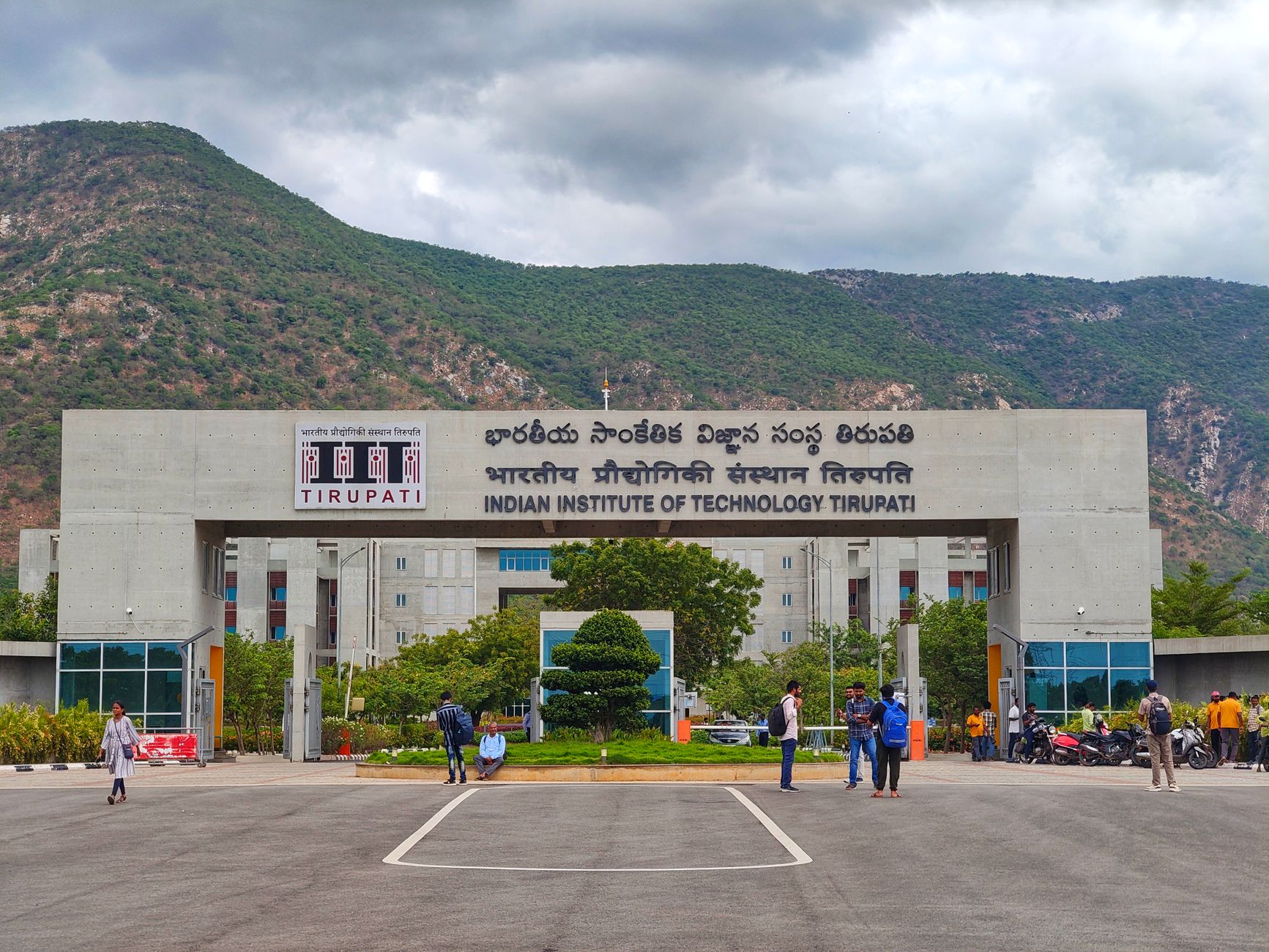
Perhaps the most significant factor is the dramatic improvement in domestic higher education options. India has invested heavily in upgrading existing institutions and creating new ones that offer world-class facilities and faculty.
The Indian Institutes of Technology (IITs), Indian Institutes of Management (IIMs), and newer institutions like IISER and IIIT have expanded capacity and improved rankings. Many now appear in global university rankings and offer education quality comparable to mid-tier foreign universities.
Private universities have also raised their game, with institutions offering specialized programs, international collaborations, and placement opportunities that rival what students might find abroad. The cost differential is enormous—a quality education at a top Indian private university might cost one-fourth to one-fifth of what the same education would cost overseas.
The Remote Work Revolution
The pandemic normalized remote work and demonstrated that many high-paying jobs in technology, consulting, and other sectors don't require physical presence in Western countries. Indian graduates can now work for global companies, earn international salaries (adjusted for location), and maintain lower costs of living by staying in India.
This realization has reduced the perceived necessity of a foreign degree for accessing global opportunities. Companies increasingly focus on skills and experience rather than where someone studied.
What the Future Holds
The study-abroad market is unlikely to disappear, but it is certainly transforming. Rather than pursuing any foreign degree for its own sake, students are becoming more selective, focusing on truly prestigious institutions or highly specialized programs unavailable in India.
Shorter-duration programs, online hybrid options, and student exchange semesters are gaining popularity as alternatives to full-degree programs abroad. These allow students to gain international exposure without the full financial commitment.
The 31% decline may represent a market correction rather than a permanent trend. As India's economy grows and specific programs retain their unique value proposition, numbers may stabilize at a new, more sustainable level. What seems clear is that the days of unquestioned enthusiasm for any foreign degree, regardless of cost or quality, have ended. Indian students and families are making more calculated, strategic decisions about when studying abroad truly makes sense.