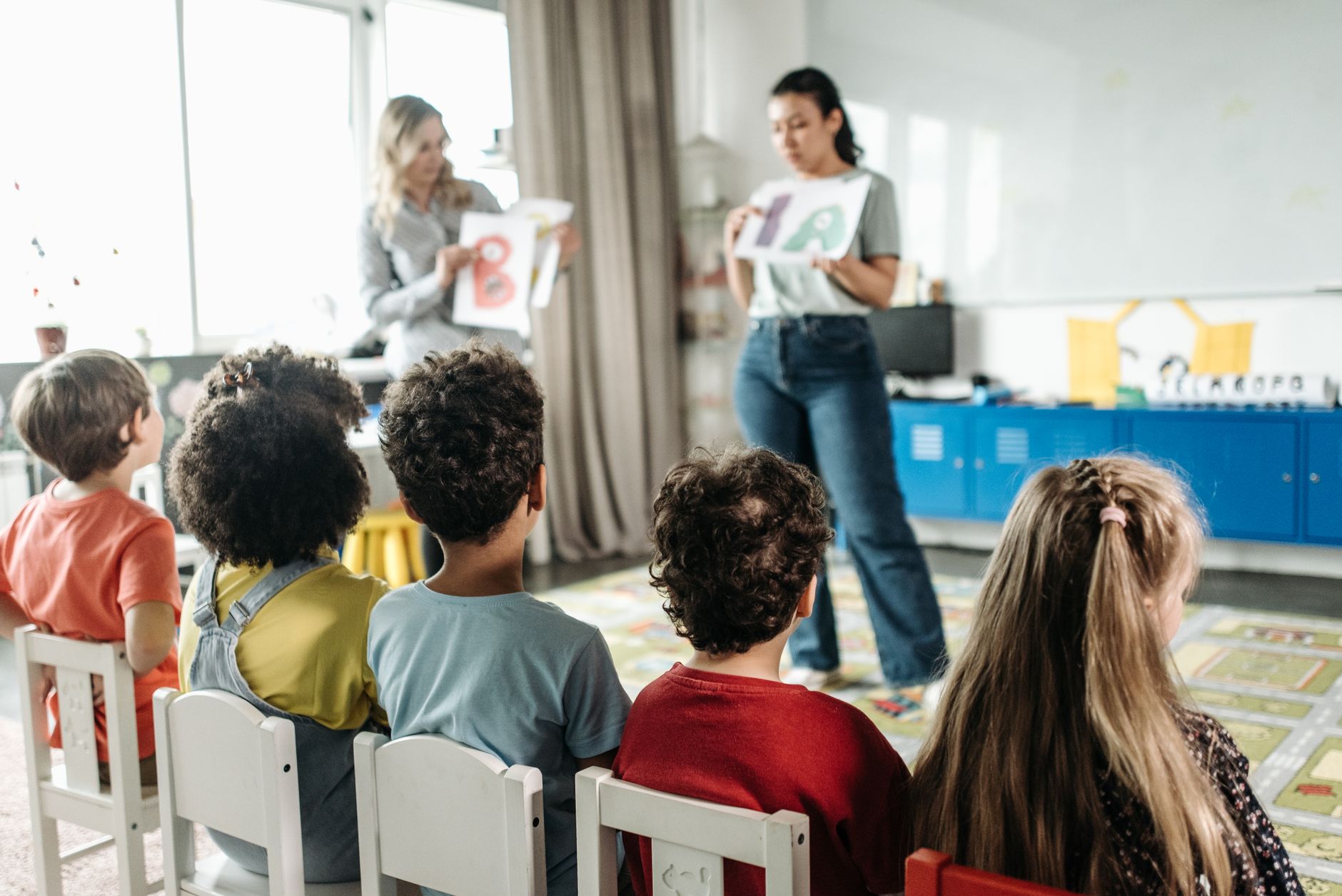
Inclusive education has emerged as a cornerstone of modern educational philosophy in India, moving away from segregated learning environments toward classrooms that welcome and support students of all abilities, backgrounds, and learning needs. Multi-day workshops dedicated to this approach are becoming increasingly common as schools and educational organisations recognise the need for specialised training.
Understanding Inclusive Education
Inclusive education refers to the practice of educating students with diverse needs, abilities, and backgrounds together in the same classroom environment. This includes children with physical disabilities, learning differences, developmental delays, and those from marginalised communities. Rather than separating students based on perceived limitations, inclusive education focuses on adapting teaching methods and classroom environments to accommodate everyone.
The Right to Education Act 2009 mandates free and compulsory education for all children aged 6-14 years, implicitly supporting inclusive practices. Additionally, the Rights of Persons with Disabilities Act 2016 explicitly guarantees inclusive education at all levels, making such training workshops not just beneficial but essential for educators.
Key Components of Inclusive Education Workshops
Three-day workshops typically cover a comprehensive range of topics designed to transform teaching practices. These intensive training sessions usually include both theoretical frameworks and practical applications.
Participants generally explore universal design for learning, which involves creating flexible lesson plans that can be accessed by students with varying abilities. Teachers learn to present information in multiple formats, allow diverse means of expression, and engage students through different pathways.
Classroom management strategies form another crucial component. Educators discover techniques for creating supportive environments where all students feel valued and can participate meaningfully. This includes seating arrangements, collaborative learning structures, and positive behaviour support systems.
Practical Skills Development
Workshop facilitators typically emphasise hands-on activities that teachers can immediately implement. These may include:
- Developing individualised education plans for students with special needs
- Creating accessible learning materials using assistive technology
- Implementing differentiated instruction techniques
- Using multi-sensory teaching approaches
- Building peer support systems among students
- Conducting inclusive assessments that measure growth rather than comparing students
Role-playing exercises often help teachers practice handling real classroom scenarios, such as supporting a student with dyslexia during reading activities or including a wheelchair user in physical education classes.
Addressing Attitudinal Barriers
One of the most significant challenges in inclusive education is changing deep-seated attitudes and misconceptions. Workshops dedicate substantial time to helping educators examine their own biases and assumptions about disability and difference.
Teachers learn that disability is not synonymous with inability, and that appropriate support and modifications can enable most students to achieve grade-level competencies. Understanding the social model of disability—which views barriers as existing in the environment rather than within individuals—helps shift perspectives fundamentally.
Collaboration and Support Systems
Successful inclusive education requires teamwork among various stakeholders. Workshops typically address collaboration between regular classroom teachers, special educators, therapists, parents, and school administrators.
Teachers learn communication strategies for engaging with parents of children with special needs, recognising that families possess valuable insights about their children's strengths and requirements. Building these partnerships proves essential for creating consistent support across home and school environments.
Technology and Resources
Modern inclusive education leverages various technological tools to support diverse learners. Workshop participants explore assistive technologies ranging from simple adaptations like pencil grips and visual schedules to sophisticated software for text-to-speech, speech-to-text, and augmented communication.
Educators also learn about freely available resources, government support programs, and funding mechanisms that can help schools implement inclusive practices without prohibitive costs.
Impact on All Students
Research consistently demonstrates that inclusive education benefits not just students with special needs but all learners. Classrooms that embrace diversity tend to foster greater empathy, improved social skills, and appreciation for individual differences among all students.
When children learn alongside peers with varied abilities and backgrounds from an early age, they develop more realistic and positive attitudes that carry into adulthood, contributing to a more inclusive society overall.
Moving Forward
As India continues strengthening its commitment to inclusive education, such workshops play a vital role in bridging the gap between policy and practice. They empower teachers with the knowledge, skills, and confidence needed to create truly welcoming learning environments where every child can thrive.
Educational institutions seeking to organise or participate in inclusive education workshops can contact state education departments, organisations working in disability rights, and specialised training institutes for guidance and resources.