India recently concluded its chairship of the 16th BRICS Health Ministers' Meeting, marking a significant milestone in multilateral health cooperation among the world's major emerging economies. The gathering brought together health leaders from Brazil, Russia, India, China, and South Africa, along with newer members, to discuss pressing healthcare challenges and forge collaborative solutions.
Key Focus Areas of the Meeting
The meeting addressed several critical health priorities that impact billions of people across BRICS nations. Primary among these was strengthening health systems resilience in the wake of lessons learned from the COVID-19 pandemic. Ministers emphasized the importance of building robust healthcare infrastructure capable of responding to future health emergencies while maintaining essential health services.
Antimicrobial resistance emerged as another major discussion point. This growing threat affects all nations but poses particular challenges for developing economies where antibiotic misuse remains prevalent. The ministers explored strategies for surveillance systems, rational use of antibiotics, and research into alternative treatments.
India's Leadership Role
As chair, India leveraged its experience as both a major pharmaceutical producer and a diverse healthcare market to guide discussions. The country's digital health initiatives, including the Ayushman Bharat Digital Mission, served as case studies for how technology can expand healthcare access in large, geographically diverse populations.
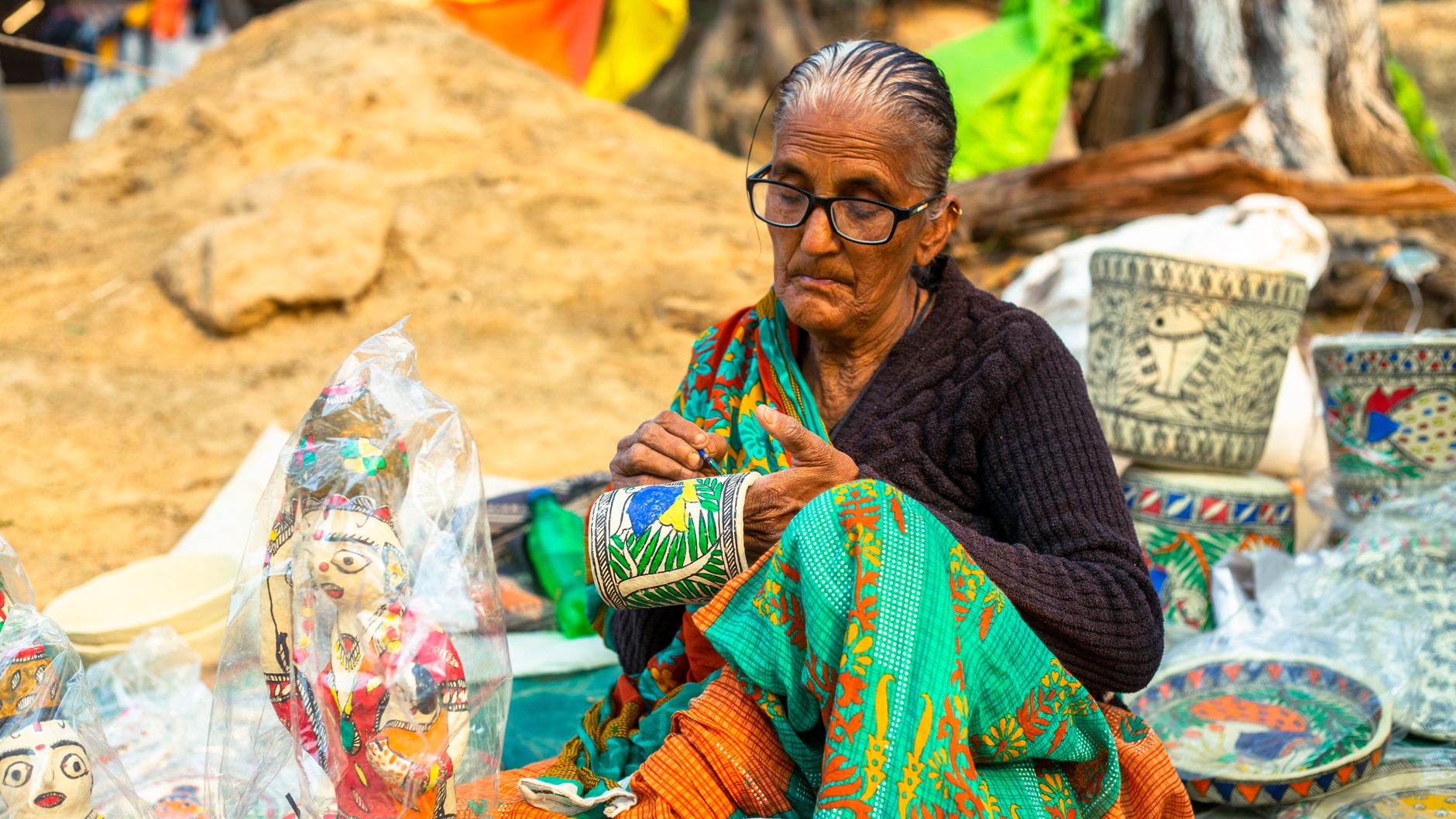
India's traditional medicine systems also featured in discussions, with ministers exploring how to integrate traditional and modern medicine approaches. This aligns with growing global interest in complementary healthcare systems and their potential role in primary healthcare delivery.
Collaborative Frameworks Established
The meeting resulted in several collaborative frameworks aimed at enhancing health cooperation among member states. These include:
- Joint research initiatives on communicable and non-communicable diseases
- Technology transfer agreements for vaccine and pharmaceutical production
- Shared training programs for healthcare workers
- Information exchange systems for disease surveillance
- Coordinated approaches to health emergency preparedness
Addressing Non-Communicable Diseases
Non-communicable diseases such as diabetes, cardiovascular conditions, and cancer account for a growing disease burden in BRICS nations. Ministers discussed strategies for prevention, early detection, and affordable treatment options. The focus on lifestyle interventions and community-based prevention programs reflected recognition that healthcare solutions must extend beyond hospitals and clinics.
Pharmaceutical Cooperation
Given that BRICS nations collectively represent significant pharmaceutical manufacturing capacity, medicines affordability and access featured prominently. Discussions covered generic drug production, patent issues, and ensuring supply chain resilience for essential medicines. The goal is to reduce dependence on any single source while ensuring quality standards.
Digital Health Innovation
The digital transformation of healthcare received considerable attention. Ministers explored how telemedicine, electronic health records, and artificial intelligence can improve healthcare delivery, particularly in rural and underserved areas. Data privacy, interoperability standards, and digital literacy emerged as important considerations for successful implementation.
Health Workforce Development
Addressing shortages of trained healthcare workers, the meeting emphasized capacity building through shared training programs and mutual recognition of medical qualifications. This could facilitate knowledge exchange and temporary deployment of health workers during emergencies.
Climate Change and Health
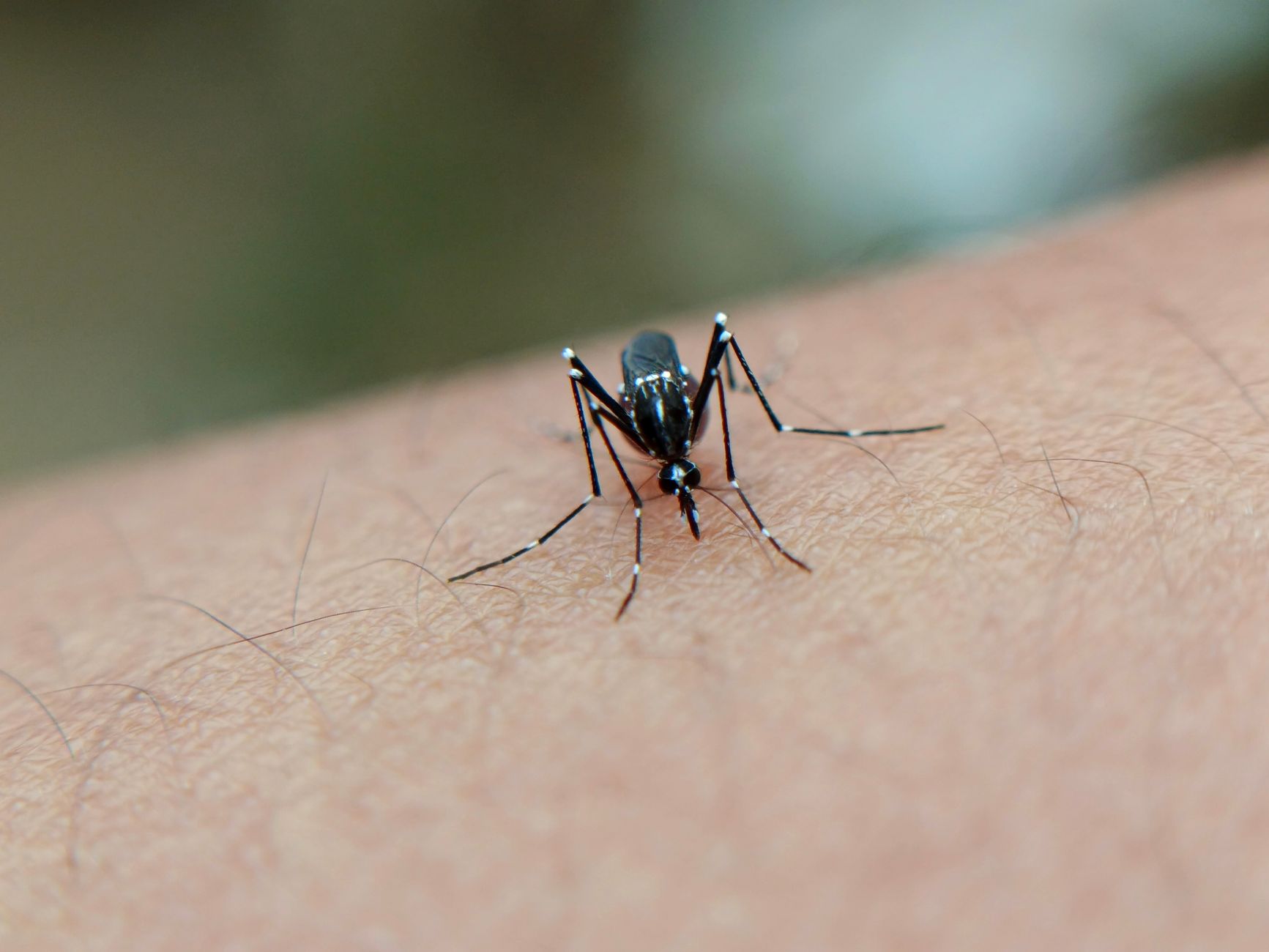
The intersection of climate change and health also featured in discussions. BRICS nations face varied climate-related health challenges, from heat-related illnesses to changing patterns of vector-borne diseases. Ministers committed to incorporating climate considerations into health planning.
Looking Ahead
The successful conclusion of the meeting under India's chairship sets the stage for continued cooperation as the BRICS chairship rotates. The frameworks established provide actionable pathways for member nations to collaborate on shared health challenges while respecting each country's unique healthcare context.
The meeting underscored that despite geopolitical differences, health remains an area where nations can find common ground. As BRICS countries collectively represent over 40 percent of the world's population, their collaborative efforts in healthcare have implications far beyond their borders, potentially influencing global health governance and access to healthcare innovations.
The commitments made during this meeting will require sustained political will and resource allocation to translate into tangible health improvements for the billions of people living in BRICS nations.