India's Public Distribution System (PDS) is one of the world's largest food security programs, distributing subsidized food grains to approximately 800 million beneficiaries. Yet a common complaint across ration shops nationwide is the poor quality of rice provided. This isn't just a matter of taste—it reflects complex economic, logistical, and policy challenges that affect both the program's effectiveness and household nutrition.
The Procurement Process and Grade Standards
The Food Corporation of India (FCI) and state agencies procure rice from farmers at Minimum Support Prices (MSP). However, the procurement standards primarily focus on achieving quantity targets rather than premium quality. The government typically accepts common and Grade A varieties, which meet basic specifications for moisture content, broken grains, and foreign matter, but these standards are far below what consumers purchase in the open market.
Additionally, much of the procured rice comes from varieties bred for high yield rather than taste or texture. Farmers growing rice destined for PDS often prioritize productivity per acre to maximize their MSP earnings, not the culinary qualities that make rice desirable to consumers.
Storage and the Quality Degradation Problem
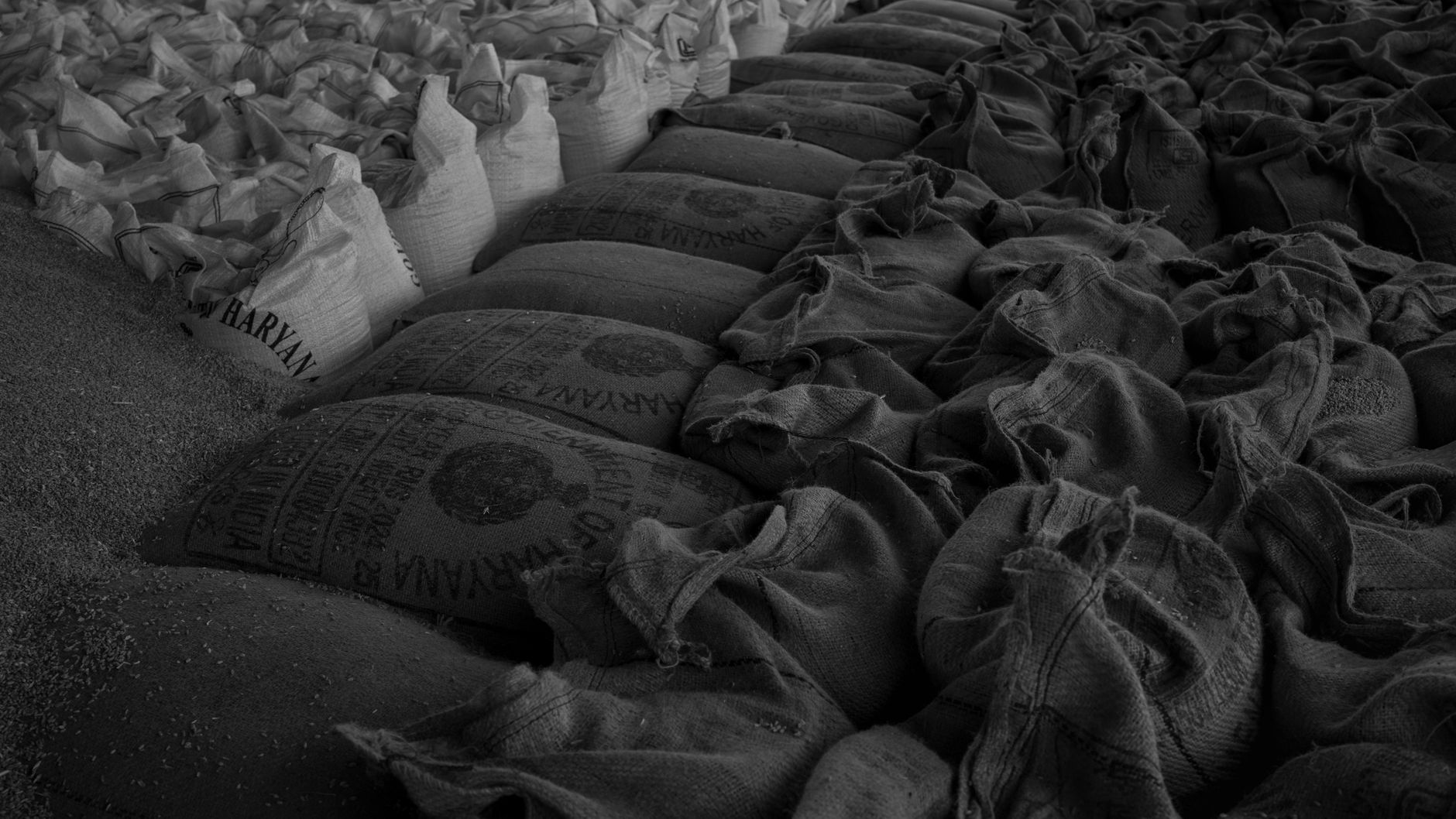
Once procured, rice enters a storage and distribution network that can span months or even years before reaching beneficiaries. India faces a chronic challenge with inadequate storage infrastructure, particularly climate-controlled warehousing. Rice stored in suboptimal conditions undergoes several quality-degrading processes:
- Moisture fluctuations lead to fungal growth and discoloration
- Pest infestation damages grains and introduces contaminants
- Extended storage periods cause rice to become brittle and increase breakage
- Improper handling during multiple transfers further damages grain structure
The government maintains buffer stocks well above the required norms, meaning some rice sits in storage far longer than ideal. While this ensures food security during emergencies, it comes at the cost of quality for routine distribution.
Economic Constraints and Budget Allocation
The PDS operates under significant budget constraints. The National Food Security Act mandates providing rice at Rs 3 per kilogram to priority households and Rs 2 per kilogram to Antyodaya beneficiaries. This highly subsidized pricing—when market rice costs Rs 40-60 per kilogram—creates immense fiscal pressure.
To maintain the program's financial viability while serving hundreds of millions of people, compromises become inevitable. Investing in better storage infrastructure, more frequent stock rotation, or procuring premium varieties would substantially increase program costs. Governments face difficult trade-offs between expanding coverage, maintaining low prices, and improving quality.
The Distribution Network Challenges
From central warehouses to fair price shops, rice passes through multiple handlers. Each transfer point presents opportunities for mishandling, mixing of batches, or exposure to poor conditions. Many ration shops themselves lack proper storage facilities, keeping rice in conditions where it absorbs moisture, odors, or becomes contaminated.
Some diversion of better-quality grains also occurs, though reforms like Aadhaar-linking and computerization have reduced such leakages significantly in recent years. Nevertheless, the remaining gaps in accountability can mean that the rice reaching beneficiaries is sometimes lower quality than what was originally procured.
Comparing Public Distribution with Market Economics
Private rice markets operate on entirely different economics. Retailers stock fresh produce, rotate inventory quickly, maintain quality to retain customers, and price products to reflect quality differences. Competition drives quality standards upward. The PDS, being a welfare program rather than a commercial venture, lacks these market mechanisms that naturally encourage quality maintenance.
Furthermore, private markets serve consumers who can afford to be selective, while PDS serves vulnerable populations for whom having access to calories at affordable prices is itself transformational, even if quality is compromised.
Recent Reforms and Future Directions
Several states have experimented with quality improvements, including:
- Direct benefit transfers allowing beneficiaries to purchase rice of their choice
- Mandating shorter storage periods before distribution
- Upgrading warehousing infrastructure with private partnerships
- Implementing stricter quality checks at distribution points
These initiatives show promise but require sustained investment and political will. Improving ration rice quality isn't merely a technical challenge—it requires reimagining budget priorities and potentially accepting either higher program costs or reduced coverage.
The quality of ration rice ultimately reflects the complex balance between fiscal constraints, logistical challenges, and the massive scale of India's food security ambitions. While the current system succeeds in preventing hunger for millions, achieving both quantity and quality remains an ongoing challenge for policymakers.
This article is for general informational purposes only and does not constitute financial or policy advice. Readers should refer to official government sources for specific information about PDS entitlements and quality standards in their area.