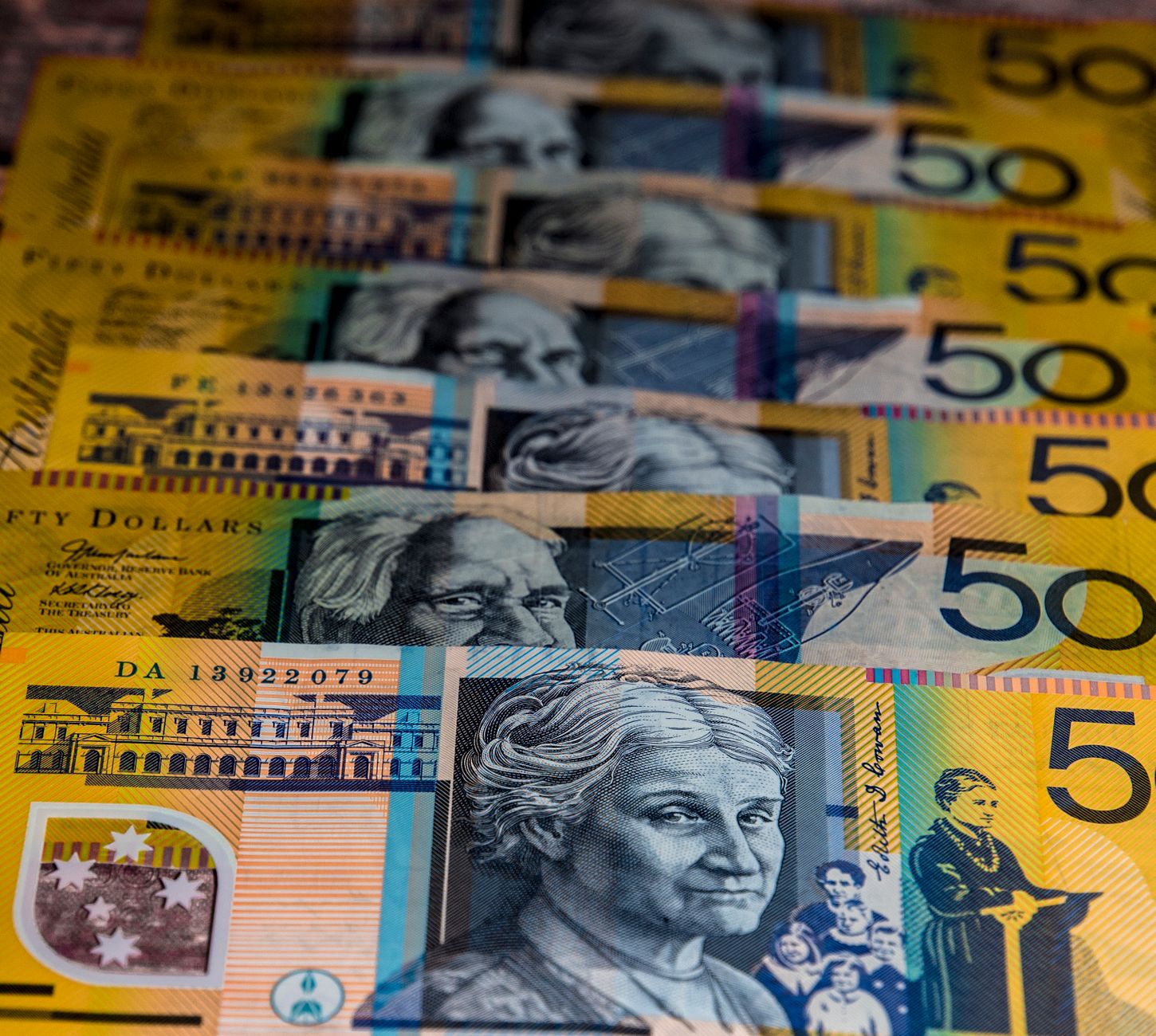
The global shift from traditional paper currency to polymer plastic banknotes has accelerated over the past decade, with more than 50 countries now using plastic money in some form. However, this transition presents a surprisingly complex investment case that extends far beyond simple material substitution.
The Promise of Polymer Currency
Plastic banknotes, technically made from biaxially oriented polypropylene, offer several compelling advantages over traditional cotton-paper notes. They typically last two to three times longer than paper equivalents, reducing replacement costs for central banks. The polymer substrate also enables sophisticated security features including transparent windows and holographic elements that are extremely difficult to counterfeit.
Countries like Australia, Canada, the United Kingdom, and New Zealand have successfully transitioned to polymer notes, reporting lower counterfeiting rates and reduced lifecycle costs. For investors, this suggests opportunities in specialized polymer manufacturing, security printing technology, and anti-counterfeiting solutions.
The Investment Complexities
The investment case becomes tricky when examining the broader ecosystem. Traditional paper currency manufacturers face potential obsolescence, while polymer note production remains concentrated among a handful of specialized firms. The barrier to entry is high, requiring significant capital investment in specialized equipment and expertise.
The market dynamics also differ substantially from typical manufacturing sectors. Central banks are the sole customers, procurement cycles span years or decades, and switching costs are enormous once a country commits to either paper or polymer. This creates a winner-take-all dynamic in individual markets but limits overall market growth potential.
Environmental Considerations
The environmental angle adds another layer of complexity. Proponents argue that longer-lasting plastic notes reduce overall resource consumption and the environmental impact of frequent replacement. Critics counter that polymer notes are petroleum-based products that don't biodegrade and present recycling challenges at end-of-life.
This debate matters for investors increasingly focused on environmental, social, and governance criteria. Companies involved in polymer note production must demonstrate robust sustainability credentials, including recycling programs and reduced carbon footprints in manufacturing. Some jurisdictions have expressed reluctance to adopt plastic currency specifically on environmental grounds, potentially limiting market expansion.
The Digital Payments Wild Card
Perhaps the trickiest aspect of the investment case is the concurrent rise of digital payments. As contactless cards, mobile wallets, and digital currencies gain adoption, physical cash usage is declining in many developed economies. Sweden, for instance, has seen cash transactions fall to less than 10 percent of all payments.
This creates an uncomfortable question for investors in physical currency production: are they investing in an improving but ultimately declining market? The durability advantage of plastic notes matters less if overall demand for physical currency continues its downward trajectory. Central banks may find themselves replacing fewer notes less frequently, compressing the addressable market from both directions.
Regional Variations and Opportunities
The investment opportunity varies significantly by geography. Emerging markets with large cash-dependent populations and concerns about counterfeiting may offer growth potential. India's massive currency overhaul in recent years, while focused on paper notes, demonstrated both the scale of such transitions and their political sensitivity.
Nations with harsh climates where paper notes deteriorate quickly present another potential market. However, each transition requires central bank approval, public acceptance, and infrastructure modifications at banks and ATMs, making market development slow and unpredictable.
Ancillary Investment Angles
Beyond direct currency manufacturing, the polymer note transition creates opportunities in adjacent sectors. Companies providing security features, specialized inks, quality control systems, and authentication technology may benefit regardless of substrate material. The broader cash handling infrastructure, including ATM manufacturers and cash-in-transit services, must adapt to polymer notes' different physical properties.
Research and development in next-generation currency technologies also presents opportunities, though with higher risk profiles. This includes smart banknotes with embedded chips, bio-based polymer alternatives, and advanced anti-counterfeiting measures.
The Bottom Line
The case for plastic banknotes from a central bank perspective appears relatively straightforward: improved durability and security at reasonable lifecycle costs. For investors, however, the picture is far more nuanced. Limited market growth, high concentration, technological obsolescence risk from digitalization, and environmental concerns combine to create a challenging investment thesis.
Those considering exposure to this sector must weigh these factors carefully, potentially favoring companies with diversified revenue streams beyond currency production or those positioned to benefit from the digital-physical payment transition rather than tied exclusively to physical currency volumes.
This article is for general informational purposes only and should not be considered investment advice. Readers should conduct their own research and consult with qualified financial advisors before making investment decisions.