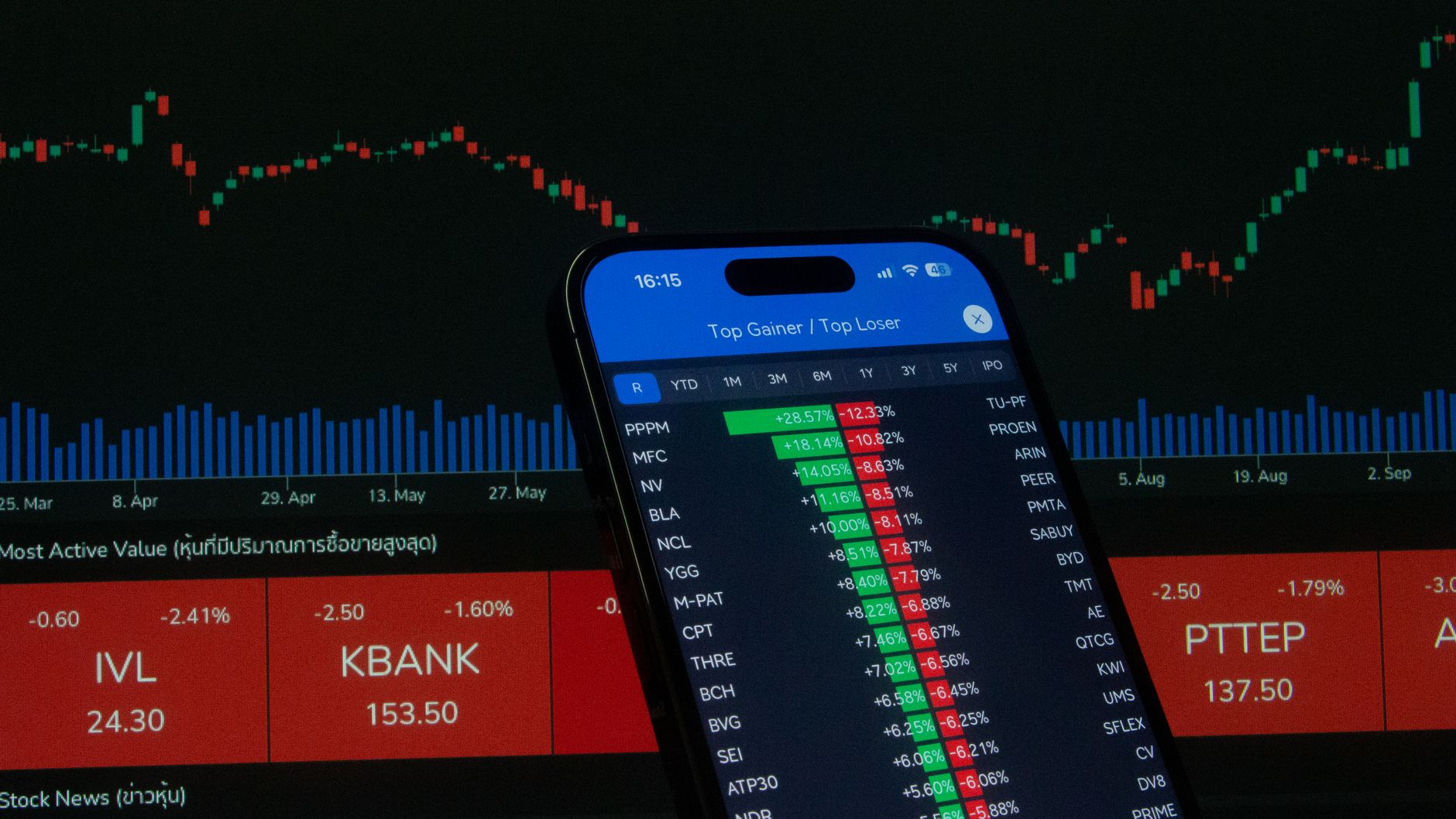
The Indian share market operates during specific hours on weekdays, and tracking live updates has become essential for both seasoned investors and newcomers. Whether you hold stocks, mutual funds, or are considering entering the market, understanding how to interpret real-time market information can significantly impact your investment outcomes.
What Are Share Market Live Updates
Share market live updates refer to real-time information about stock prices, indices movements, trading volumes, and market sentiment during trading hours. The two primary stock exchanges in India, the Bombay Stock Exchange (BSE) and National Stock Exchange (NSE), operate from 9:15 AM to 3:30 PM on weekdays, with a pre-opening session starting at 9:00 AM.
Live updates typically include current prices of major indices like Sensex and Nifty 50, top gainers and losers, sectoral performance, foreign institutional investor activity, and breaking news that might affect market movements.
Why Investors Track Real-Time Market Information
For active traders, live updates are crucial for making quick buy or sell decisions based on price movements. Day traders, in particular, rely heavily on minute-by-minute updates to capitalize on short-term volatility.
Long-term investors also benefit from monitoring market trends, though they typically focus less on daily fluctuations and more on broader patterns over weeks and months. Live updates help them identify optimal entry or exit points for their positions.
Key Components of Market Updates
- Current index levels and percentage changes for Sensex, Nifty 50, and sectoral indices
- Individual stock prices with day high, day low, and opening prices
- Trading volume data indicating market activity levels
- Market breadth showing how many stocks are advancing versus declining
- Currency exchange rates, particularly USD/INR which affects import-export companies
- Commodity prices including crude oil and gold that impact various sectors
- Global market cues from Asian and overnight US market performance
Understanding Market Indices
The Sensex tracks 30 well-established companies listed on BSE, while Nifty 50 represents 50 large-cap companies across various sectors on NSE. These indices serve as barometers for overall market health. When indices rise, it generally indicates positive investor sentiment and economic optimism.
Sectoral indices like Bank Nifty, IT Index, or Pharma Index help investors understand which industries are performing well on any given day. This information is valuable for sector-specific investment strategies.
How to Use Live Market Information Effectively
Rather than reacting impulsively to every market movement, successful investors develop a strategy. Set clear investment goals, determine your risk tolerance, and establish price targets before entering positions.
Use live updates to stay informed but avoid the trap of constant checking, which can lead to emotional decision-making. Studies show that investors who check their portfolios too frequently tend to make more anxiety-driven trades that hurt long-term returns.
For long-term investors, significant market dips visible in live updates might present buying opportunities rather than reasons to panic. This contrarian approach requires discipline and conviction in your research.
Technology and Market Tracking
Most brokerages now offer mobile applications with real-time price updates, customizable watchlists, and alert features. These tools notify you when stocks hit predetermined price levels, saving time while keeping you informed.
Financial news platforms provide comprehensive coverage including expert analysis, corporate earnings reports, policy changes, and global events affecting Indian markets. However, filter information carefully and verify from multiple reliable sources before making decisions.
Common Mistakes to Avoid
New investors often mistake daily volatility for meaningful trends. The market can swing significantly within a single day due to temporary factors, but long-term wealth creation depends on sustained company performance and economic growth.
Overtrading based on live updates typically increases transaction costs and tax liabilities while rarely improving returns. Unless you're a professional day trader with sophisticated tools and expertise, frequent trading usually underperforms buy-and-hold strategies.
The Bigger Picture Beyond Daily Updates
While live market tracking has its place, successful investing requires fundamental analysis of companies, understanding business models, evaluating management quality, and assessing long-term growth prospects. Daily price movements represent market sentiment, which can be irrational in the short term.
Building a diversified portfolio across sectors, market capitalizations, and asset classes provides better risk management than trying to time the market perfectly using live updates.
This article is for general informational purposes only and should not be considered as investment advice. Markets are subject to risks, and past performance does not guarantee future results. Consult with a qualified financial advisor before making investment decisions based on your individual financial situation and goals.