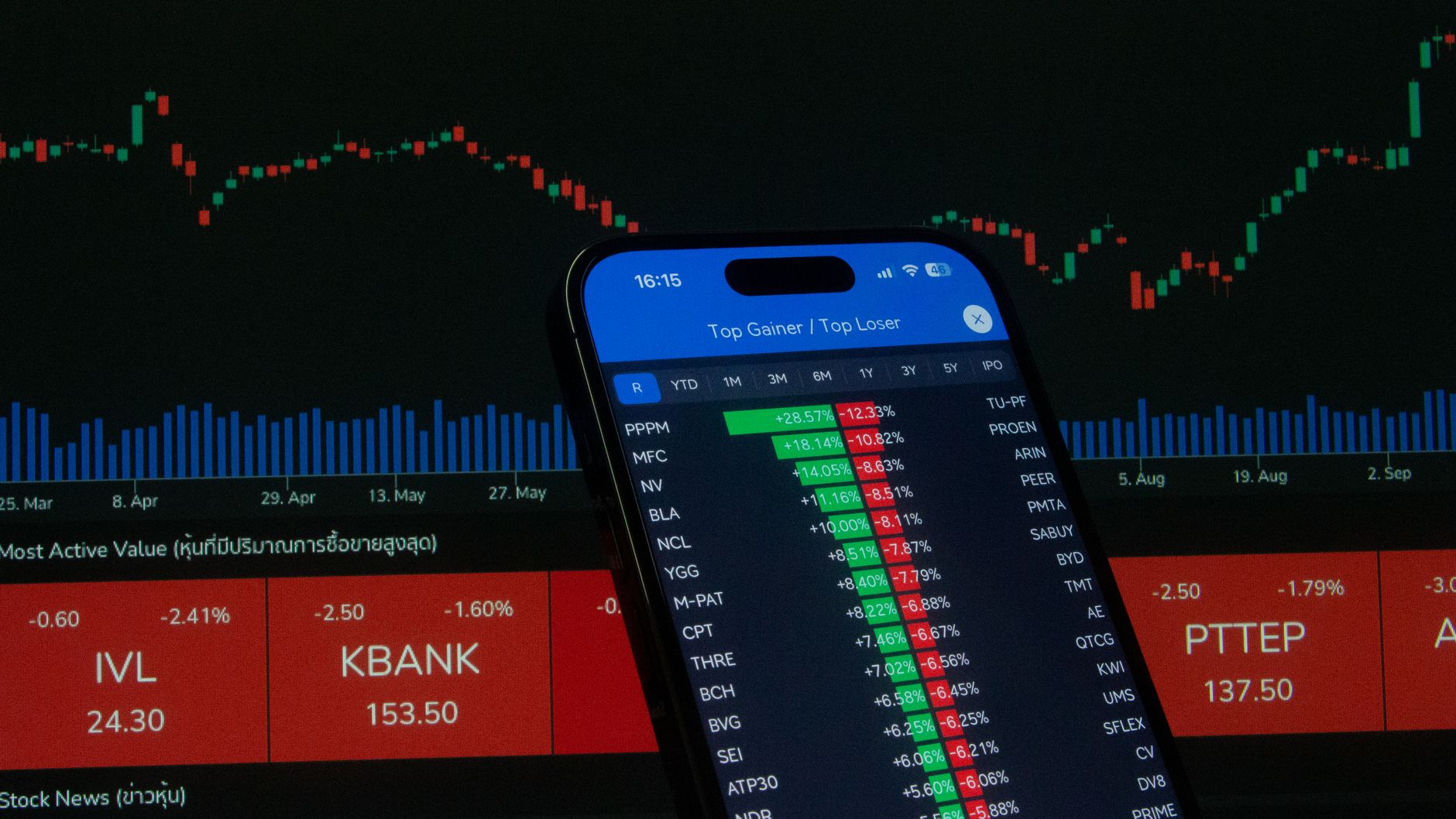
Indian equity markets kicked off the trading session on a positive note, with both the Sensex and Nifty indices posting gains in early trade. The upward momentum was primarily led by information technology stocks, while investors adopted a cautiously optimistic stance ahead of the first-quarter earnings announcements from major companies.
IT Sector Drives Market Momentum
The information technology sector emerged as the star performer during the opening session, with leading IT companies witnessing strong buying interest. This sector has historically been sensitive to global economic trends, currency movements, and demand for digital transformation services from international clients. The recent stabilization in global markets and positive cues from overseas technology stocks appear to have boosted investor sentiment in Indian IT counters.
Major IT companies have been benefiting from sustained demand for cloud computing, artificial intelligence solutions, and digital infrastructure services. Additionally, the depreciation of the rupee against the dollar in recent months tends to work favorably for IT exporters, as a significant portion of their revenue comes from overseas markets, particularly the United States and Europe.
Quarterly Earnings Take Center Stage
The primary focus for market participants in the coming weeks will be the first-quarter earnings season. Companies across various sectors are scheduled to announce their financial results, which will offer concrete data on how businesses have performed amid evolving economic conditions. Investors are particularly keen to assess corporate revenue growth, profit margins, and management commentary on future outlook.
Key areas of interest include:
- Revenue growth trends across sectors
- Impact of input cost pressures on margins
- Management guidance for the remainder of the fiscal year
- Sector-specific challenges and opportunities
- Capital expenditure plans and business expansion strategies
The earnings season serves as a reality check for market valuations and helps investors recalibrate their expectations. Strong results typically provide support to stock prices, while disappointments can trigger corrections in overvalued segments.
Broader Market Dynamics
While the IT sector led the gains, market breadth and participation across other sectors will be crucial in determining whether the rally has legs. Banking and financial services stocks, which carry significant weight in the benchmark indices, will play a key role in sustaining the upward momentum. The performance of consumer-facing sectors will also be closely watched as indicators of domestic demand strength.
Global cues continue to influence Indian markets significantly. Movements in US equity futures, crude oil prices, and foreign institutional investor flows all contribute to daily market sentiment. The recent pause in aggressive interest rate hikes by major central banks has provided some relief to emerging markets, including India.
Factors Influencing Investor Sentiment
Several factors are currently shaping market dynamics. The monsoon season's progress remains critical for India's agricultural economy and rural demand. Adequate rainfall supports agricultural output, boosts rural incomes, and strengthens consumption patterns across the economy.
Inflation trends and monetary policy decisions by the Reserve Bank of India also remain on investors' radar. While retail inflation has moderated from its peaks, food price volatility continues to pose challenges. The central bank's stance on interest rates will influence borrowing costs, economic growth prospects, and ultimately, corporate profitability.
Currency movements represent another important consideration. The rupee's performance against major currencies affects different sectors differently—benefiting exporters while increasing costs for import-dependent industries.
Investment Considerations
For retail investors, the current market environment calls for a balanced approach. While short-term volatility is inevitable, particularly around earnings announcements, long-term investors should focus on fundamental business quality rather than daily market movements. Diversification across sectors and market capitalizations remains a prudent strategy.
The earnings season provides an opportunity to assess which companies are successfully navigating current challenges and positioning themselves for future growth. Paying attention to management quality, competitive positioning, and financial health becomes especially important during such periods.
Market timing is notoriously difficult, and attempting to predict short-term movements often leads to suboptimal decisions. Systematic investment approaches, such as systematic investment plans in mutual funds, help average out market volatility and reduce timing risk.
This article is for informational purposes only and should not be considered as investment advice. Readers should conduct their own research or consult with qualified financial advisors before making any investment decisions. Past performance does not guarantee future results, and all investments carry inherent risks.