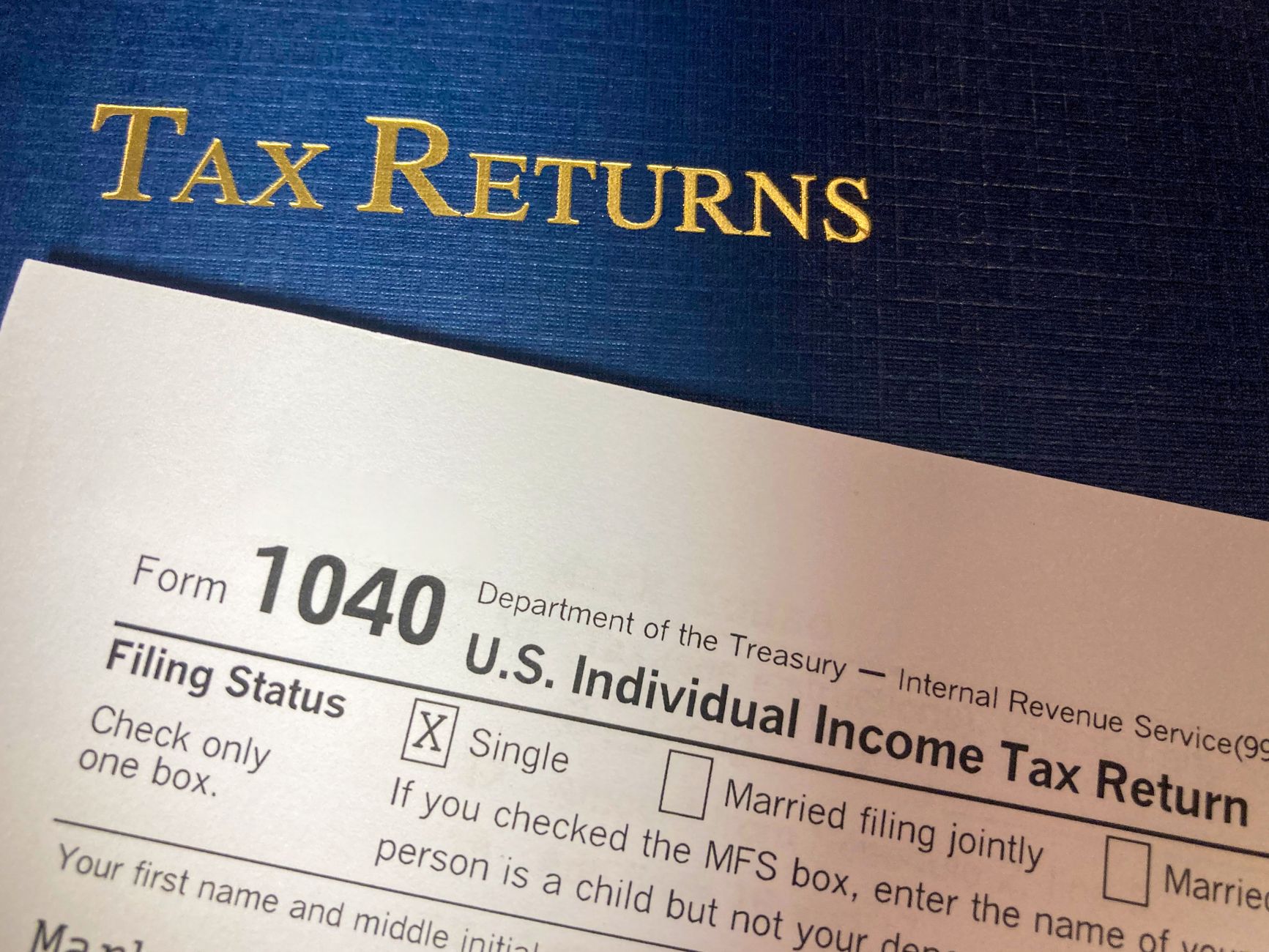
The Income Tax Department has made the ITR-7 Excel utility for Assessment Year 2026-27 available on the official income tax e-filing portal. This development marks an important step for specific categories of taxpayers who are required to file their income tax returns using this particular form.
Who Needs to File ITR-7
ITR-7 is a specialized income tax return form designed for entities claiming exemption under specific sections of the Income Tax Act. This form is mandatory for trusts, non-governmental organizations, political parties, research associations, news agencies, educational institutions, hospitals, and other entities registered under Section 139(4A), 139(4B), 139(4C), or 139(4D) of the Income Tax Act.
These organizations must file ITR-7 even if they have no taxable income, as it serves as a compliance requirement to maintain their tax-exempt status. The return provides details about the entity's income, application of funds, and compliance with the conditions for exemption.
What is the Excel Utility
The Excel utility is an offline tool that allows taxpayers to prepare their income tax returns on their computers without requiring continuous internet connectivity. Users can download the utility, fill in the required information, validate the data, and generate an XML file that can be uploaded to the income tax portal for submission.
This offline method is particularly useful for entities with complex financial data or those located in areas with unreliable internet connections. The utility includes built-in validations to help users identify errors before submission, reducing the chances of rejection.
Key Features of ITR-7
The ITR-7 form requires comprehensive disclosure of various aspects of the entity's financial operations:
- Details of income from all sources including donations, grants, and commercial activities
- Information about application of income toward charitable or specified purposes
- Particulars of accumulation or set-apart of income under Section 11(2)
- Details of voluntary contributions received
- Information about corpus donations
- Disclosure of loans, deposits, and specified assets
- Details of activities carried out during the financial year
The form also requires entities to report whether they have engaged in any prohibited activities or violated conditions of exemption.
Important Dates and Deadlines
For Assessment Year 2026-27, which corresponds to Financial Year 2025-26 (April 1, 2025 to March 31, 2026), the due date for filing ITR-7 is typically July 31, 2026. However, taxpayers should verify the exact deadline as it may be extended by the Income Tax Department.
Organizations should begin collecting and organizing their financial records well in advance of the deadline to ensure timely compliance. Late filing can result in penalties and potential loss of tax-exempt status.
How to Use the Excel Utility
To use the ITR-7 Excel utility, taxpayers need to follow these steps:
- Download the utility from the official income tax e-filing portal
- Enable macros in Excel as the utility requires them to function
- Fill in all applicable schedules with accurate information
- Use the validation feature to check for errors or missing information
- Generate the XML file once all data is complete and validated
- Log in to the e-filing portal and upload the XML file
- Verify the return using either Aadhaar OTP, EVC, or digital signature
Digital Signature Requirement
Entities whose accounts are required to be audited must use a digital signature certificate (DSC) to verify their ITR-7. This is a mandatory requirement and electronic verification code (EVC) or Aadhaar OTP cannot be used as alternatives for such entities.
Importance of Accurate Filing
Accurate and timely filing of ITR-7 is crucial for maintaining tax-exempt status. The Income Tax Department scrutinizes these returns to ensure that entities are complying with the conditions of exemption and properly applying their income toward specified purposes.
Any discrepancies or violations reported in ITR-7 can lead to denial of exemption, taxation of income, and potential penalties. Organizations should consider consulting with tax professionals familiar with the specific requirements of their sector to ensure complete compliance.
The release of the Excel utility well in advance of the filing deadline gives organizations adequate time to prepare their returns methodically and address any technical issues that may arise during the filing process.
This article is for general informational purposes only and should not be considered as professional tax advice. Organizations should consult qualified tax professionals or chartered accountants for guidance specific to their circumstances and ensure compliance with all applicable provisions of the Income Tax Act.