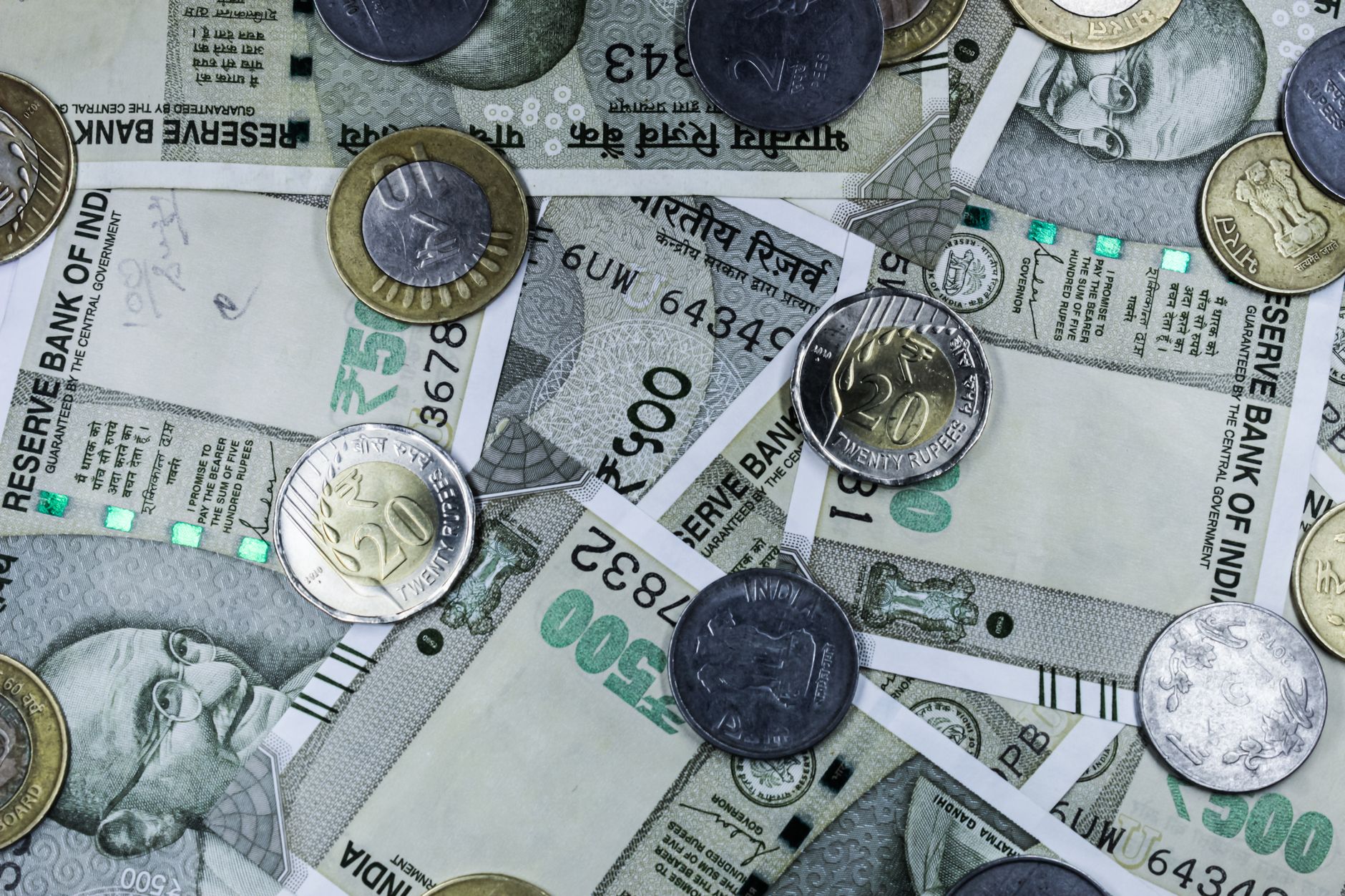
India currently ranks as the fifth-largest economy globally, with GDP standing at approximately $3.7 trillion. The ambitious target of reaching $10 trillion represents nearly a tripling of economic output, a goal many economists believe is achievable by 2030-2035 if growth rates remain robust. However, financial sector leaders are emphasizing that this journey must prioritize inclusivity and sustainability alongside sheer numbers.
Understanding the $10-Trillion Milestone
When an economy grows from $3.7 trillion to $10 trillion, it reflects significant expansion in manufacturing, services, infrastructure, and consumer spending. This growth typically translates to higher incomes, more job opportunities, and increased wealth creation across society. For individual investors and households, such economic expansion can mean better returns on investments, appreciation in asset values, and improved living standards.
However, the emphasis on making this growth democratic, sustainable, equitable, and inclusive signals an important recognition: GDP growth alone doesn't guarantee prosperity for all citizens. India has historically faced challenges with wealth concentration, regional disparities, and uneven access to financial services.
What Inclusive Economic Growth Means for Your Wallet
Inclusive growth aims to ensure that economic benefits reach all segments of society, not just urban centers or affluent communities. For personal finance, this approach manifests in several ways:
- Expanded banking and financial services in rural and semi-urban areas
- Greater access to credit for small businesses and entrepreneurs
- More investment products designed for first-time and small-ticket investors
- Financial literacy programs helping more Indians make informed money decisions
- Digital payment infrastructure reaching underserved populations
Investment Opportunities in a Growing Economy
As India progresses toward this economic milestone, several sectors are likely to offer investment opportunities for retail investors:
- Infrastructure development, including roads, ports, and renewable energy projects
- Manufacturing sector growth driven by government initiatives
- Technology and digital services as India strengthens its global position
- Healthcare and education sectors responding to rising middle-class demand
- Financial services companies expanding their customer base
Mutual funds and systematic investment plans (SIPs) remain popular vehicles for average investors to participate in this growth story. By investing regularly in diversified equity or hybrid funds, individuals can potentially benefit from long-term economic expansion while managing risk through professional fund management.
The Sustainability Factor
Sustainable growth considers environmental and social factors alongside economic returns. For investors, this increasingly means:
- ESG (Environmental, Social, and Governance) funds gaining prominence
- Companies with poor environmental records facing investor scrutiny
- Green bonds and sustainable infrastructure projects attracting capital
- Regulatory frameworks increasingly favoring sustainable business practices
Personal finance decisions today should account for sustainability not just as an ethical consideration but as a risk management factor. Companies failing to adapt to climate challenges or social expectations may underperform in the long run.
Preparing Your Finances for India's Economic Transformation
To position yourself advantageously as India grows, consider these personal finance strategies:
Start investing early and consistently. The power of compounding works best over long periods, and India's multi-decade growth story favors patient investors.
Diversify across asset classes. While equities may benefit most from economic growth, balanced portfolios including debt, gold, and real estate provide stability during volatile periods.
Upgrade your financial literacy. Understanding basic concepts like inflation, taxation, and asset allocation helps you make better decisions regardless of market conditions.
Participate in formal financial systems. Bank accounts, insurance policies, and registered investment products offer protection and benefits that informal arrangements cannot match.
Plan for retirement systematically. As life expectancy increases and social security remains limited, individual retirement planning becomes crucial.
The Equity and Access Challenge
For India's economic journey to be truly equitable, barriers preventing millions from accessing financial services must fall. This includes language barriers in financial products, minimum investment requirements that exclude small savers, and geographic limitations in service availability.
As these barriers reduce, more Indians will be able to save, invest, and build wealth, creating a virtuous cycle that supports broader economic growth. For existing investors and savers, this expanding participant base can deepen markets and create new opportunities.
Looking Ahead
India's path to a $10-trillion economy presents both opportunities and responsibilities. For individuals, it means greater potential for wealth creation but also the need for informed financial decision-making. The emphasis on inclusive and sustainable growth suggests that this economic transformation could benefit a broader swathe of society than previous growth cycles.
This article is for general informational purposes only and should not be considered personalized financial advice. Please consult with a qualified financial advisor before making investment decisions based on your individual circumstances, risk tolerance, and financial goals.