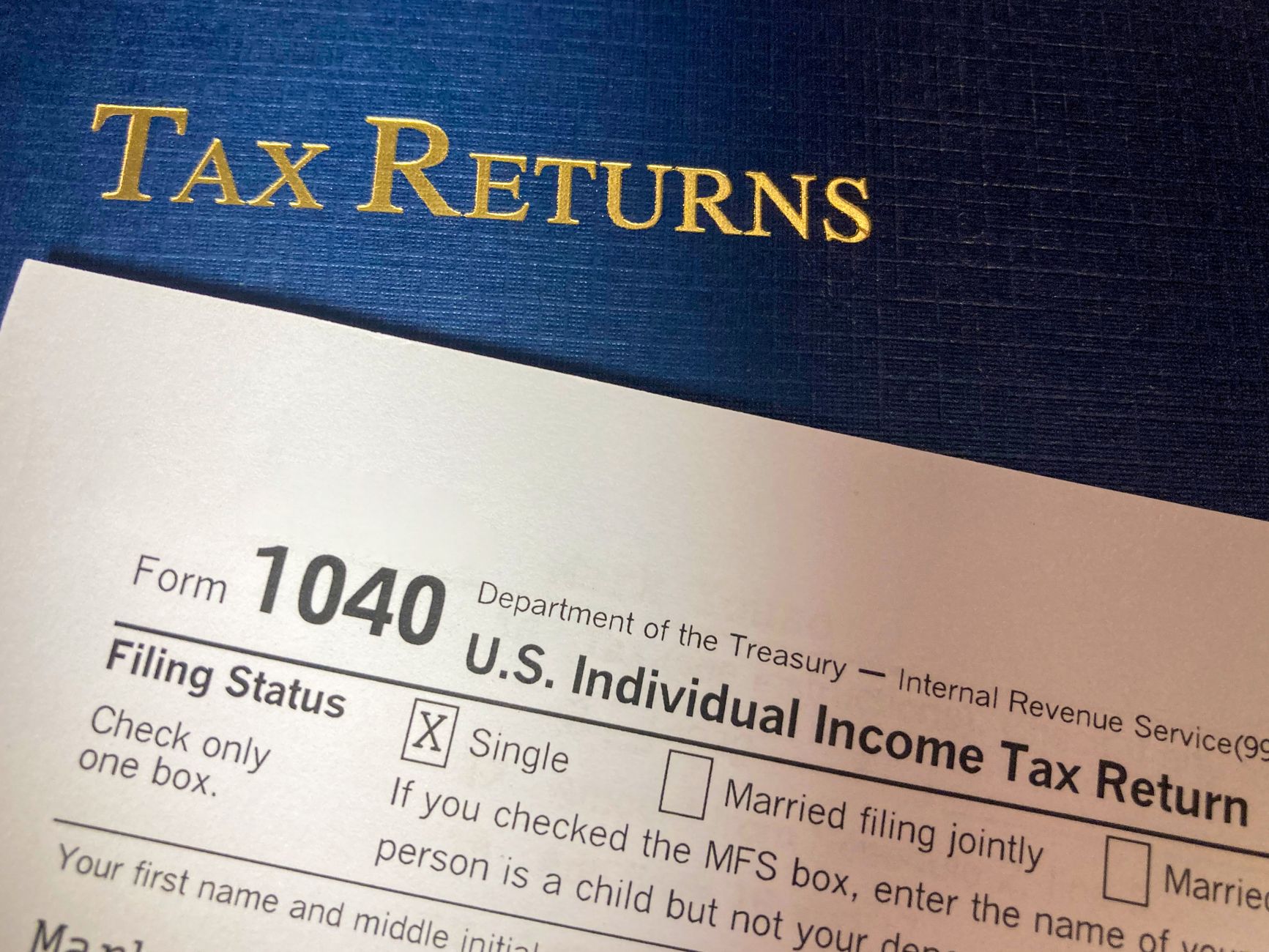
The Indian Parliament's Monsoon Session typically witnesses the introduction of several important legislative measures, and this year appears no different. The government has lined up five major bills that span across taxation, small business regulation, and economic policy, each carrying significant implications for different sectors of the economy.
Understanding the Legislative Agenda
Parliamentary sessions serve as crucial periods when the government introduces new laws or amends existing ones to address evolving economic and social needs. The bills expected in the upcoming session reflect the government's priorities in streamlining taxation, supporting small businesses, and modernising regulatory frameworks.
Income Tax Bill: Simplification and Reform
Among the proposed legislation, income tax reforms are expected to take centre stage. The government has been working towards simplifying the Income Tax Act, which currently contains numerous provisions accumulated over decades. The new bill may focus on making tax compliance easier for individual taxpayers and businesses alike.
Key areas that such legislation typically addresses include rationalisation of tax slabs, clarity on deductions and exemptions, and modernisation of language to reduce litigation. The objective is often to create a more transparent and easily navigable tax system that reduces the burden on honest taxpayers while improving compliance.
MSME Sector Legislation
Micro, Small, and Medium Enterprises form the backbone of the Indian economy, contributing significantly to employment and GDP. New legislation targeting this sector usually aims to ease doing business, provide better access to credit, or streamline registration and compliance requirements.
Potential provisions in MSME-focused bills might include:
- Simplified registration processes for new businesses
- Enhanced credit guarantee schemes
- Faster payment mechanisms to prevent delayed payments from larger buyers
- Technology-driven compliance systems
- Special provisions for women and SC/ST entrepreneurs
Why These Bills Matter
Legislative changes in taxation and business regulation have far-reaching consequences. For individual taxpayers, income tax reforms can affect take-home salary, investment decisions, and financial planning. For businesses, especially MSMEs, regulatory changes can determine the ease of operations, access to finance, and overall competitiveness.
The Parliamentary Process
Once bills are introduced in Parliament, they typically go through several stages including introduction, referral to standing committees for detailed examination, discussion in both houses, and finally presidential assent. This process ensures thorough scrutiny and debate before laws are enacted.
Standing committees play a particularly important role, inviting expert opinions, stakeholder feedback, and conducting detailed clause-by-clause examination. For bills affecting taxation and business, inputs from chartered accountants, industry associations, and economic experts are usually sought.
What Stakeholders Should Watch
Taxpayers and business owners should pay attention to the specific provisions once bills are tabled. The devil is often in the details, and understanding the fine print helps in proper planning and compliance.
Industry bodies like FICCI, CII, and ASSOCHAM typically provide analyses of proposed legislation, helping their members understand implications. Tax professionals and legal experts also offer guidance on how new laws might affect different categories of taxpayers and businesses.
Implementation Timeline
Even after bills are passed, implementation doesn't happen overnight. The government usually provides transition periods, issues detailed rules and notifications, and sometimes phases implementation to allow taxpayers and businesses to adjust. Understanding these timelines is crucial for proper planning.
Digital India and Compliance
Modern legislation increasingly incorporates digital mechanisms for compliance, filing, and grievance redressal. Any new bills are likely to leverage technology for better implementation, reduced paperwork, and improved taxpayer services. This aligns with the government's broader Digital India initiative.
Conclusion
The upcoming Monsoon Session's legislative agenda reflects the government's continued focus on tax reform and MSME sector support. While the specific details will only be clear once bills are officially tabled, stakeholders should prepare for potential changes in taxation and business regulation. Staying informed through official government channels and consulting with professional advisors will be key to navigating any new legislative landscape.
This article provides general information based on typical parliamentary processes and common areas of legislative focus. Readers should refer to official government notifications and consult qualified tax professionals or legal advisors for specific guidance applicable to their individual circumstances. Tax and business regulations are subject to change, and professional advice should be sought before making any financial or business decisions.