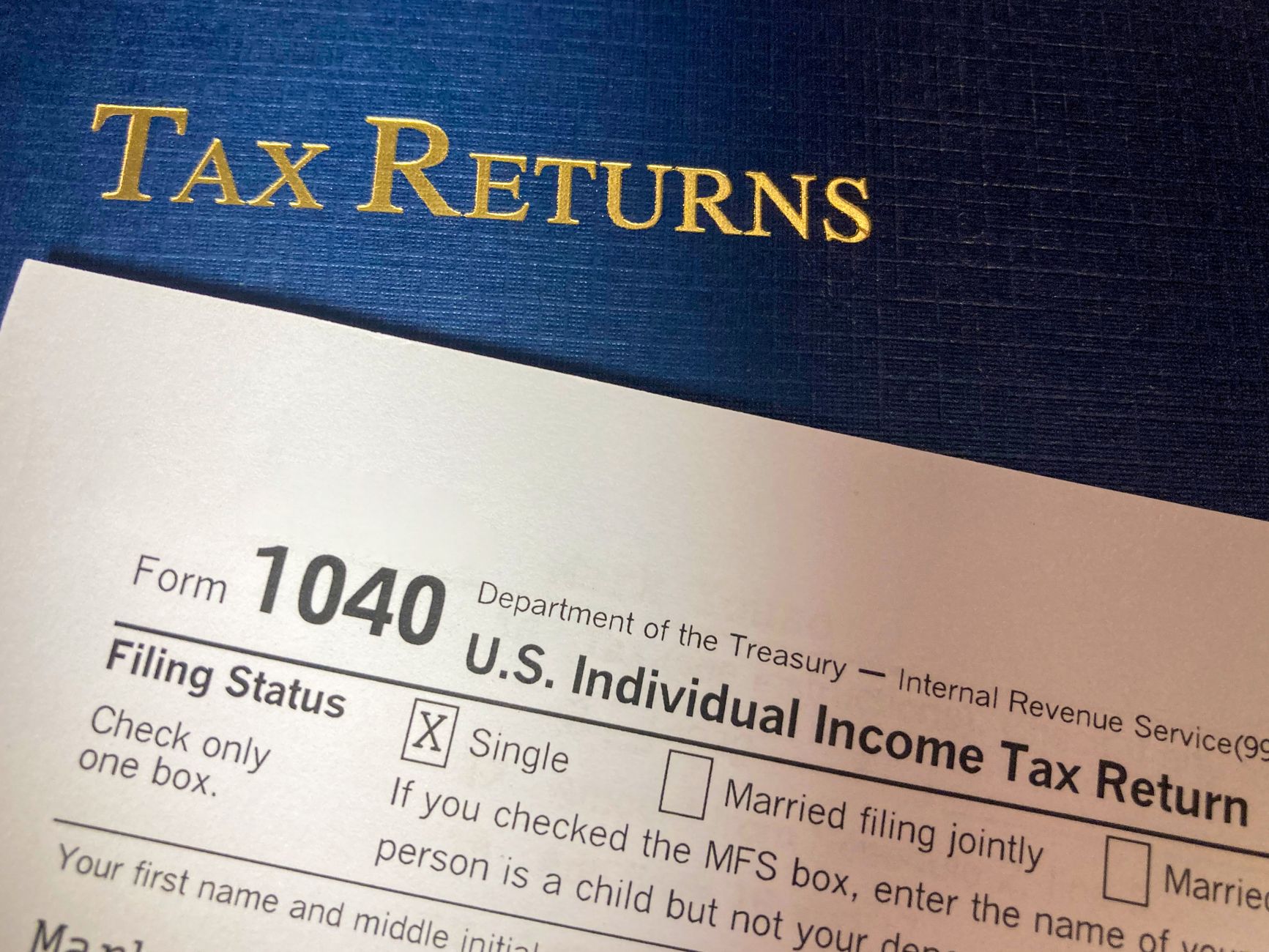
The Ministry of Finance has officially notified the Income Tax Rules 2026, marking a significant shift in India's tax compliance landscape. These new rules, set to take effect from April 1, 2025, aim to simplify tax administration, enhance transparency, and align with the government's broader digital governance initiatives.
Understanding the New Compliance Regime
The Income Tax Rules 2026 represent a comprehensive overhaul of existing tax procedures rather than changes to tax rates or slabs. This notification focuses on procedural aspects, filing requirements, and compliance mechanisms that taxpayers will need to follow in the upcoming financial year.
The new framework builds upon recent reforms including the simplified tax regime and the faceless assessment system, creating a more streamlined approach to tax administration. The rules consolidate various amendments and circulars issued over recent years into a single, updated rulebook.
Key Areas of Change
The new rules address several critical areas of tax compliance:
- Digital-first procedures with enhanced online filing requirements
- Updated documentation standards for various deductions and exemptions
- Revised timelines for filing returns and responding to notices
- New verification mechanisms for high-value transactions
- Enhanced requirements for taxpayers claiming specific deductions
- Updated rules for TDS and TCS compliance
- Stricter timelines for audit report submissions
What Individual Taxpayers Should Know
For salaried individuals and retail taxpayers, the most significant changes involve documentation and verification processes. The new rules require more systematic record-keeping, particularly for those claiming deductions under various sections.
Taxpayers claiming House Rent Allowance, interest on home loans, or deductions under Section 80C will need to ensure their supporting documents meet updated format requirements. The rules also introduce clearer guidelines on what constitutes acceptable proof for various claims.
The notification emphasizes digital submissions, with most forms and declarations now requiring electronic filing with proper digital signatures or e-verification. Paper-based submissions will be limited to specific exceptional circumstances.
Implications for Businesses and Professionals
Businesses face more extensive changes under the new rules. Companies and partnership firms will need to review their accounting and compliance systems to ensure alignment with updated requirements.
The new framework includes:
- Revised timelines for advance tax payments
- Updated requirements for transfer pricing documentation
- Enhanced disclosure requirements for foreign assets and income
- Stricter compliance norms for expense claims
- New provisions for digital asset transactions
- Updated audit report formats and filing procedures
Timeline for Implementation
While the rules take effect from April 1, the government has indicated that certain provisions will have transitional arrangements. Taxpayers filing returns for the financial year 2025-26 will be the first to experience the full impact of these changes.
The Income Tax Department is expected to release detailed guidelines, FAQs, and instructional materials to help taxpayers transition smoothly. Tax professionals and chartered accountants are advising clients to familiarize themselves with the new requirements well in advance.
Preparing for the Changes
Experts recommend that taxpayers take several preparatory steps before April 1:
- Review existing tax records and ensure documents are properly organized
- Update accounting software to reflect new requirements
- Consult with tax professionals about specific implications
- Register for and familiarize yourself with updated income tax portal features
- Understand new deadlines and mark them in compliance calendars
- Attend workshops or webinars on the new rules if available
Technology and Automation
The Income Tax Rules 2026 place significant emphasis on technology-enabled compliance. The updated framework integrates with the government's broader push toward automated systems, pre-filled returns, and real-time data matching.
Taxpayers should expect increased use of artificial intelligence for preliminary assessments, automated notices for discrepancies, and faster processing of straightforward returns. However, this also means any mismatches between reported income and third-party data will be flagged more quickly.
Long-term Vision
These rules represent part of the government's long-term strategy to create a non-intrusive, faceless tax system that minimizes human interface while maximizing compliance. The focus is on making it easier for honest taxpayers while strengthening mechanisms to detect non-compliance.
This article provides general information about the Income Tax Rules 2026 based on the government notification. Tax laws are complex and individual circumstances vary significantly. Readers should consult qualified tax professionals or chartered accountants for advice specific to their situation before making any tax-related decisions.