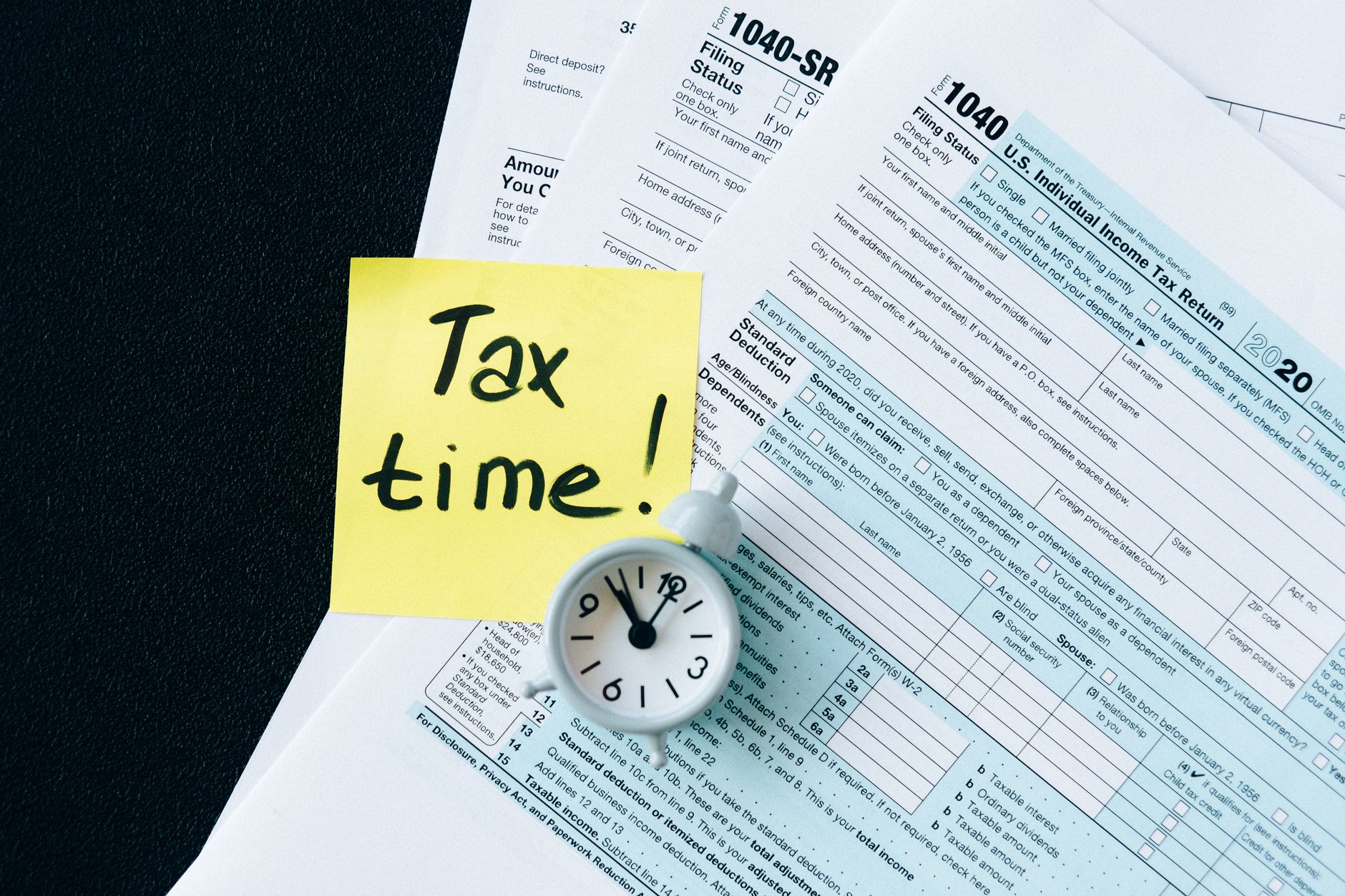
The Indian government is preparing to introduce significant legislative changes that could impact both individual taxpayers and the country's vast micro, small, and medium enterprise sector. The tabling of Income Tax and MSME-related bills in Parliament signals the government's continued focus on tax reform and supporting smaller businesses that form the backbone of India's economy.
Potential Income Tax Reforms on the Horizon
While the exact provisions of the Income Tax Bill remain under wraps until formal introduction, such legislative efforts typically aim to simplify tax compliance, rationalize tax rates, or address emerging challenges in tax administration. India has been on a multi-year journey to reform its direct tax framework, with previous initiatives including the introduction of the new tax regime with lower rates but fewer deductions.
Income tax bills often address issues such as:
- Threshold limits for tax exemptions and deductions
- Changes to capital gains taxation
- Simplification of return filing processes
- Enhanced digital compliance mechanisms
- Measures to reduce litigation between taxpayers and authorities
- Rationalization of tax deduction at source provisions
The government has consistently stated its intention to make India's tax system more transparent, litigation-free, and taxpayer-friendly. Any new legislation would likely continue this trajectory while ensuring adequate revenue collection for government programs.
MSME Sector: Backbone of Indian Economy
The MSME sector in India employs over 110 million people and contributes approximately 30 percent to the country's GDP. Legislative changes affecting this sector carry significant weight, potentially impacting millions of entrepreneurs, workers, and their families across urban and rural India.
Expected Focus Areas for MSME Legislation
Bills concerning MSMEs typically address several critical pain points that smaller businesses face:
The definition and classification of MSMEs has been a subject of periodic revision. The government may seek to refine these criteria to better reflect current economic realities and ensure that benefits reach the intended beneficiaries. Currently, MSMEs are classified based on investment in plant and machinery or equipment and annual turnover.
Access to credit remains a perennial challenge for smaller enterprises. Legislative measures might include provisions to improve credit flow, reduce collateral requirements, or establish new financing mechanisms specifically designed for MSMEs.
Compliance burden is another area where reform could provide relief. MSMEs often struggle with multiple registration requirements, complex labor laws, and environmental regulations. Streamlining these processes through a unified framework could significantly reduce the time and cost of doing business.
Technology and Formalization
Recent legislative efforts have emphasized bringing MSMEs into the formal economy through digital platforms. The Udyam Registration portal has already simplified the registration process. Future legislation might build on this foundation by integrating various compliance requirements into single digital touchpoints.
Payment delays have long plagued smaller suppliers working with larger corporations or government departments. Strengthening provisions around timely payment and expanding the scope of existing mechanisms to address delayed payments could form part of new legislation.
Parliamentary Process and Timeline
Once bills are tabled in Parliament, they undergo scrutiny by standing committees, which may seek public feedback and expert opinions. This process allows for refinement of provisions before final passage. Depending on the complexity and consensus around the bills, passage could happen in the same session or be carried forward.
The government typically uses the Union Budget session to introduce significant economic legislation, though important bills can be tabled in any session depending on urgency and readiness.
Broader Economic Context
These legislative initiatives come at a time when India is positioning itself as a global manufacturing hub and attempting to formalize a larger portion of its economy. Supporting MSMEs while ensuring adequate tax collection represents a delicate balancing act for policymakers.
The success of these reforms will depend on implementation details, the responsiveness of bureaucratic systems, and the ability to communicate changes effectively to millions of affected individuals and businesses across the country.
This article provides general information about potential legislative developments and should not be construed as legal, tax, or financial advice. Readers should consult qualified professionals for guidance specific to their circumstances once final legislation is published.