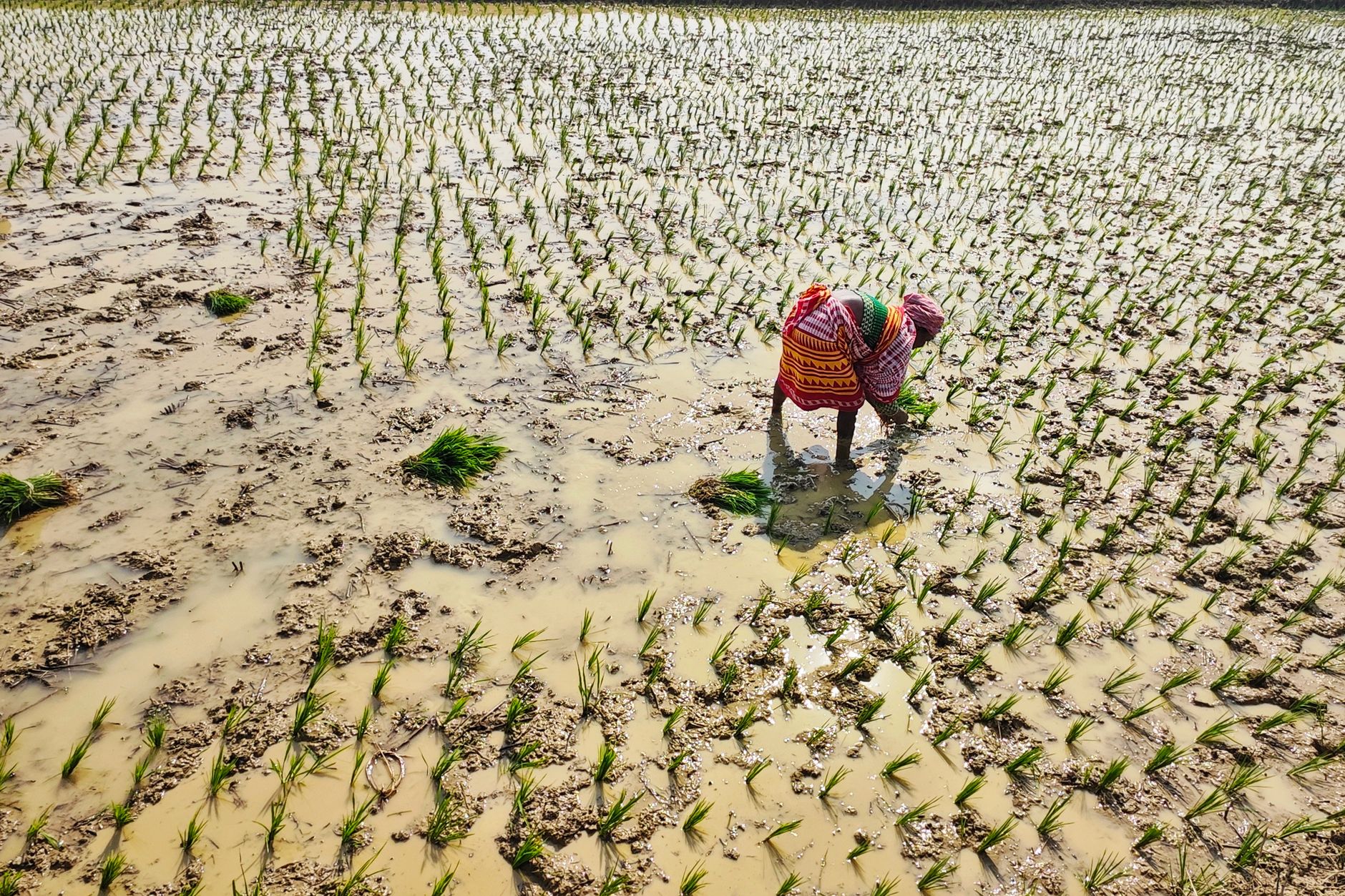
India's agricultural sector faces a fundamental challenge that has persisted for centuries: excessive dependence on monsoon rains. With approximately 52 percent of the country's net cultivated area still relying on rainfall rather than irrigation, erratic monsoon patterns can devastate farm incomes and trigger rural distress. Now, a growing chorus of agricultural scientists, investors, and policymakers believe that advanced seed technology might offer a viable solution to this age-old problem.
The Monsoon Dependency Problem
Indian agriculture remains uniquely vulnerable to monsoon variability. When rains fail or arrive late, millions of farmers face crop losses, debt traps, and financial ruin. The 2023 monsoon season demonstrated this volatility, with uneven spatial and temporal distribution affecting yields across multiple states. This unpredictability makes farming a high-risk occupation and discourages youth from pursuing agriculture as a career.
The economic implications extend beyond individual farmers. Monsoon failures impact food security, inflation rates, rural purchasing power, and overall GDP growth. The Reserve Bank of India consistently monitors monsoon progress as a key economic indicator, underscoring agriculture's continued importance to the national economy.
The Seed Technology Revolution
Modern seed technology has advanced considerably beyond traditional selective breeding. Today's climate-resilient seeds incorporate multiple beneficial traits:
- Drought tolerance that allows crops to survive extended dry spells
- Shorter maturation periods that reduce exposure to weather variability
- Improved water use efficiency requiring less irrigation
- Enhanced nutrient uptake maximizing productivity with minimal inputs
- Pest and disease resistance reducing crop losses
Companies are developing hybrid and genetically modified seeds specifically tailored to Indian conditions. These seeds undergo extensive field trials across diverse agro-climatic zones to ensure they perform reliably under varying rainfall patterns.
Investment Flows Into AgriTech
The potential of seed technology has not gone unnoticed by investors. Agricultural technology startups focused on seed development, precision farming, and climate adaptation have attracted substantial venture capital funding in recent years. Both domestic and international investors view Indian agritech as a high-growth sector with strong social impact credentials.
Public sector investment has also increased. The Indian Council of Agricultural Research has intensified its seed development programs, while state governments offer subsidies to encourage farmers to adopt improved seed varieties. This public-private collaboration aims to accelerate the deployment of climate-resilient seeds across the country.
Beyond Seeds: A Holistic Approach
While improved seeds represent a crucial tool, experts caution against viewing them as a standalone solution. Effective mitigation of monsoon dependency requires complementary investments:
- Expansion of micro-irrigation systems like drip and sprinkler irrigation
- Soil health management to improve moisture retention
- Crop insurance schemes providing financial safety nets
- Weather forecasting and advisory services enabling better planning
- Post-harvest infrastructure reducing wastage
Seeds perform optimally when integrated into comprehensive farming systems that address water management, soil quality, and risk mitigation collectively.
Economic Benefits and Considerations
For farmers, climate-resilient seeds offer several economic advantages. Reduced crop failures translate to more stable incomes and improved creditworthiness. Lower water requirements decrease pumping costs where groundwater irrigation exists. Some advanced varieties also command premium prices in markets seeking specific quality attributes.
However, adoption barriers exist. Improved seeds typically cost more than traditional varieties, requiring upfront investment that resource-constrained farmers may struggle to afford. Knowledge gaps about proper cultivation practices for new varieties can limit effectiveness. Additionally, some farmers remain skeptical about yields or prefer traditional seeds whose performance they understand from experience.
The Investment Perspective
From an investment standpoint, companies developing and distributing climate-resilient seeds operate in a sector with strong tailwinds. Climate change ensures sustained demand for adaptive solutions, while government support provides favorable policy backing. The market size is substantial, given India's vast farming population and cultivated area.
Investors should evaluate companies based on their research pipelines, intellectual property portfolios, distribution networks, and farmer adoption rates. Regulatory navigation capability matters significantly, particularly for firms working with genetic modification technologies that face heightened scrutiny.
Looking Ahead
Better seeds alone cannot eliminate monsoon dependency, but they constitute a vital component of India's agricultural resilience strategy. As climate patterns grow increasingly erratic, the economic case for investing in seed technology strengthens. For farmers, these innovations offer hope for reduced vulnerability. For investors, they represent an opportunity to generate returns while contributing to food security and rural prosperity.
The transformation of Indian agriculture from monsoon-dependent to climate-resilient will require sustained effort across multiple fronts, but improved seeds provide a foundation upon which broader solutions can build.
This article is for general informational purposes only and should not be considered as investment advice. Readers should conduct their own research and consult qualified financial advisors before making investment decisions.